Built in the Netherlands. Proven at sea.
SEALINK makes the navigation and sensing equipment crews depend on — anti-jamming GPS, GNSS compasses, wind sensors, course recorders and data units.
Invent it, then prove it at sea.

A team that ships
Everyone here has put real hardware and software to sea, and still sweats the details that decide whether it survives its first winter.

Outcomes, not hours
No clock-watching. Build your day around focused work — what counts is whether the result holds up, not when it was written.

Room to invent
Bring a better idea and you get to try it. Firmware, sensors, AI, cloud — if you can show it works, it ships.

Work that matters
Tonight a crew is relying on something an engineer here designed. That is why the standard is high and the shortcuts are few.
And a say in what's next.
Good tools, real ownership and benefits that respect your time.
Equipment a crew can trust.
To make every vessel safer, more aware and more connected — by building instruments and software that crews actually trust. We engineer for reliability first: salt, vibration, power loss and years at sea.
The Netherlands, at the heart of European shipping.
Navigation, sensing, recording and data equipment for the bridge.
Firmware, boards, enclosures, type approval and the cloud behind them.
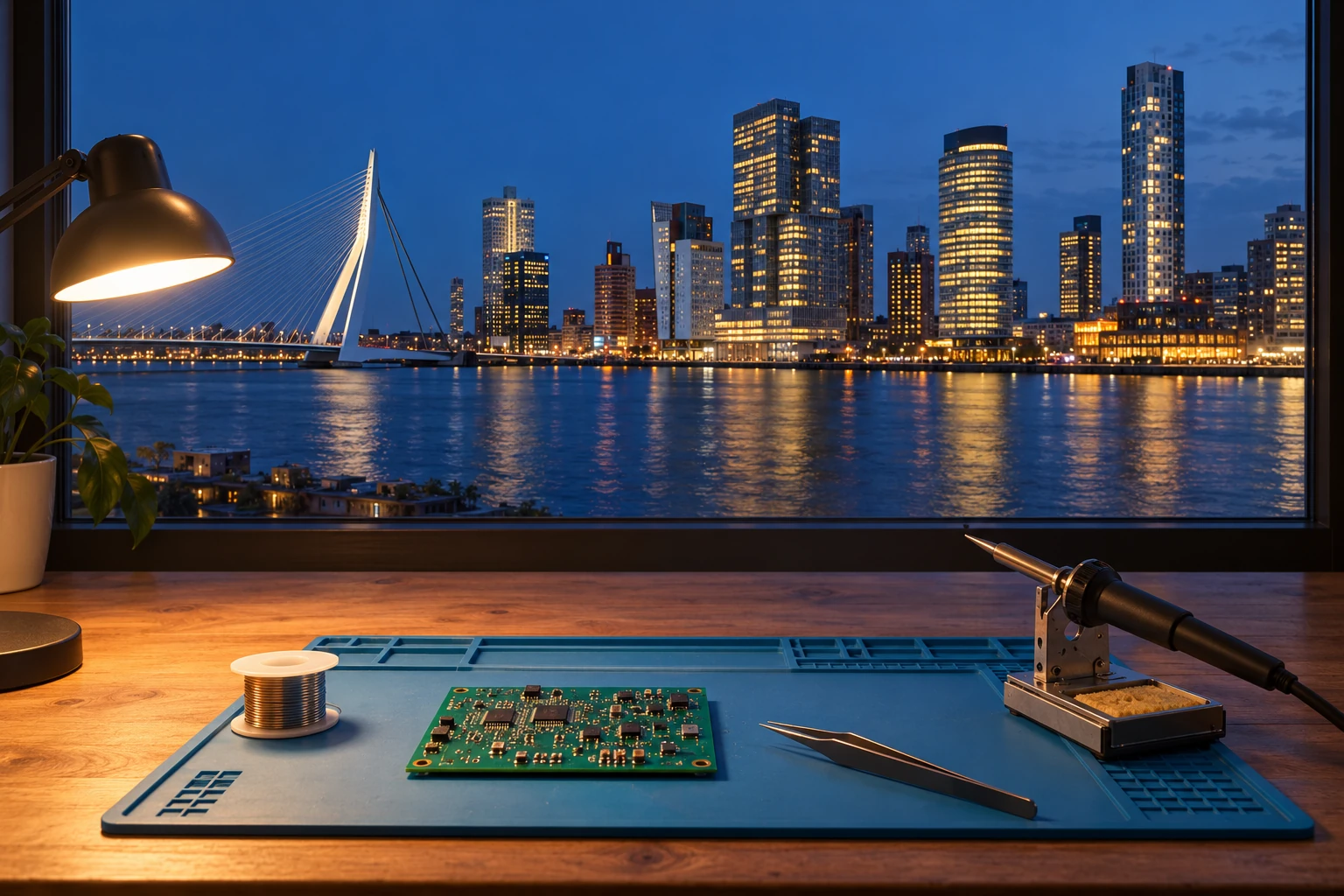
The work behind the instruments.

Embedded firmware
Real-time firmware on the boards inside our navigators, loggers and sensors, written to keep working through power loss, vibration and years at sea.

GNSS, antennas & RF
Positioning a crew can trust when the signal is contested: multi-constellation receivers, anti-jam front ends, antenna choice and signal integrity.

Bridge software & interfaces
Screens a watchkeeper reads at a glance, and the NMEA, Ethernet and PoE plumbing that carries vessel data between systems.

AI vision & perception
Object detection, low-light observation and thermal imaging that give the bridge a second pair of eyes around the hull.

Hardware, test & approval
Board bring-up, environmental and EMC testing, and the type-approval work that gets equipment onto a SOLAS bridge.

Mechanical & enclosure design
Housings, front panels, connectors and mounting that keep salt, water and vibration away from the electronics inside.
Code, boards and cloud.
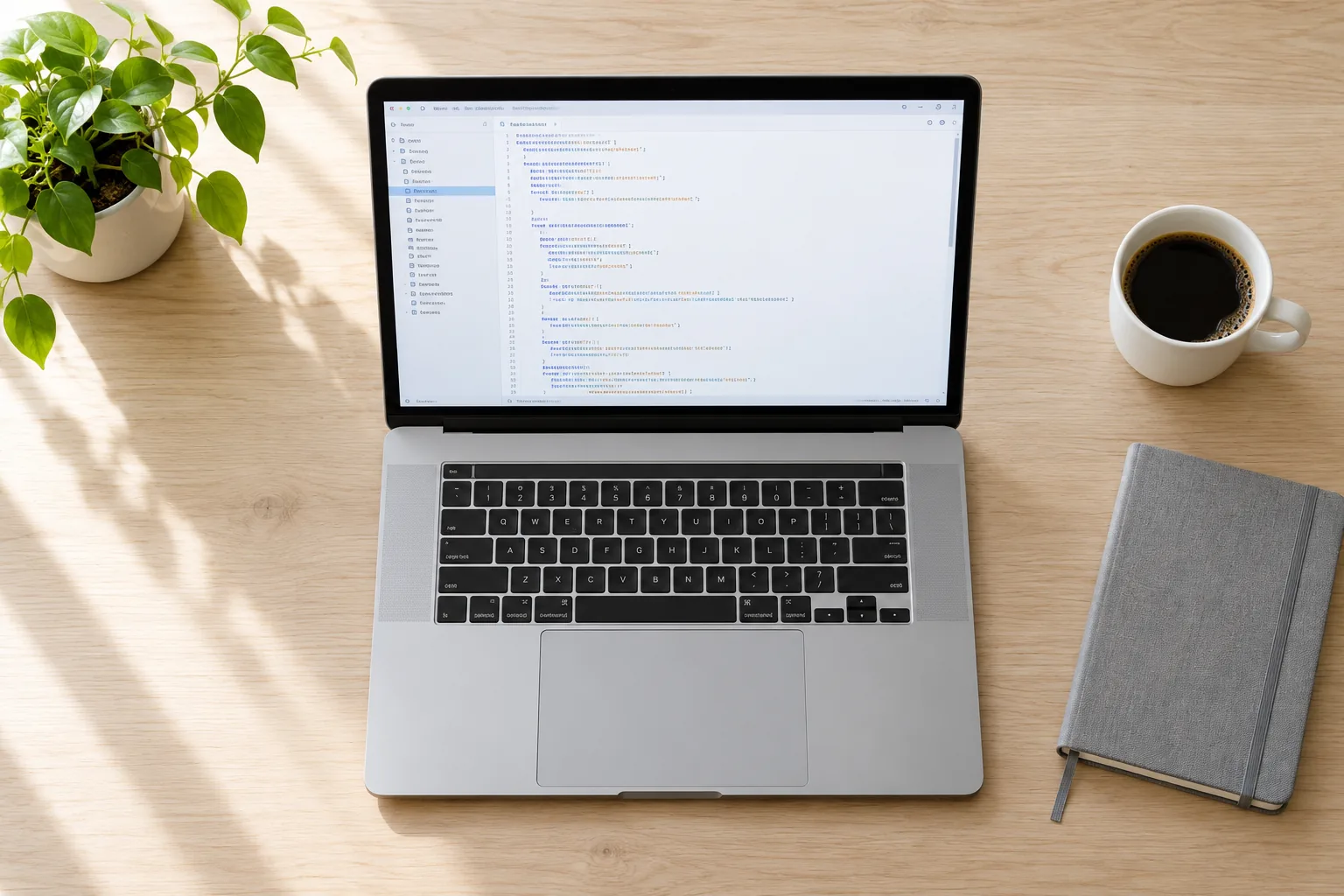
Software development
Embedded firmware, device software and the interfaces people actually use.
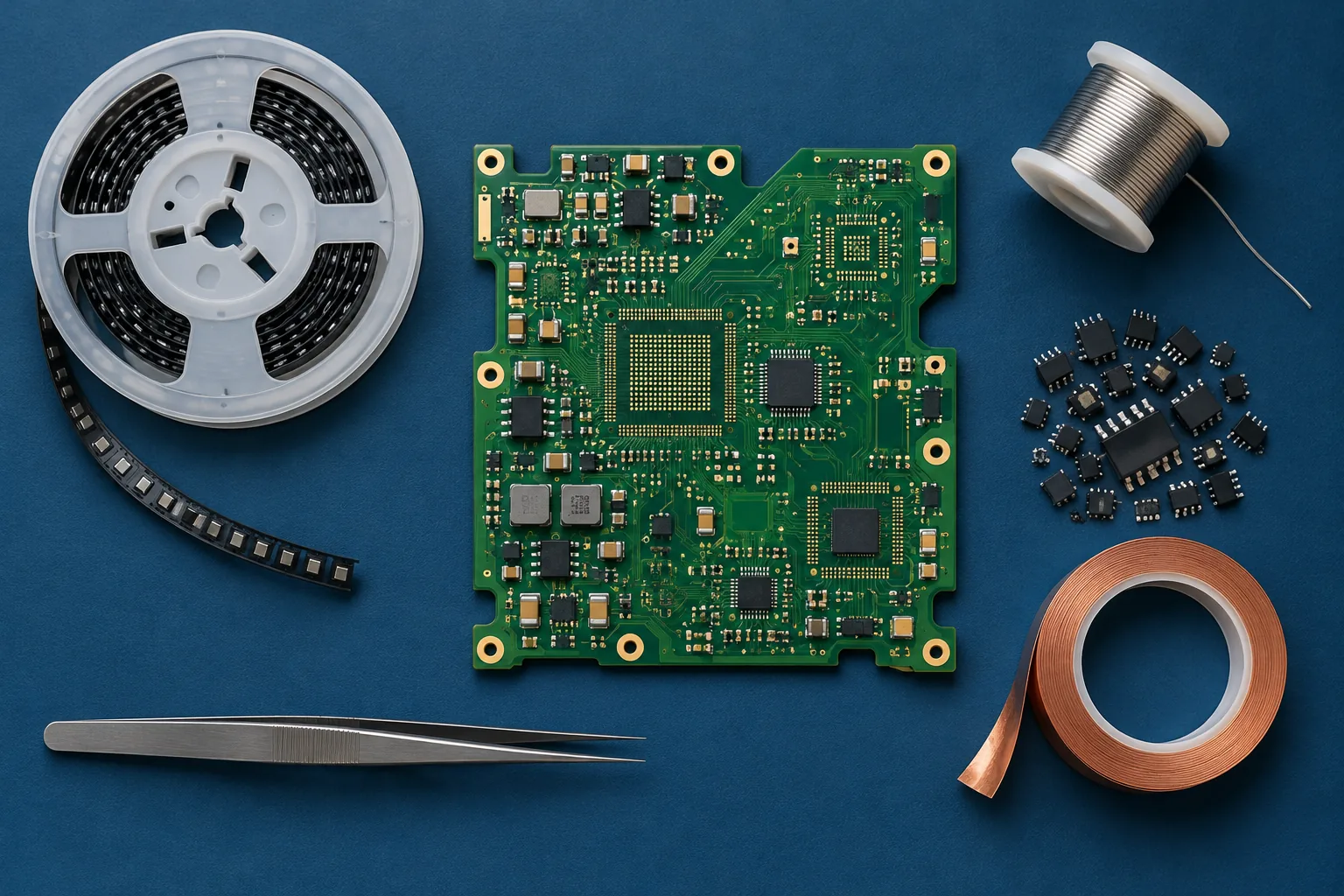
Hardware development
Board bring-up, measurement and the test work that proves a design is sound.
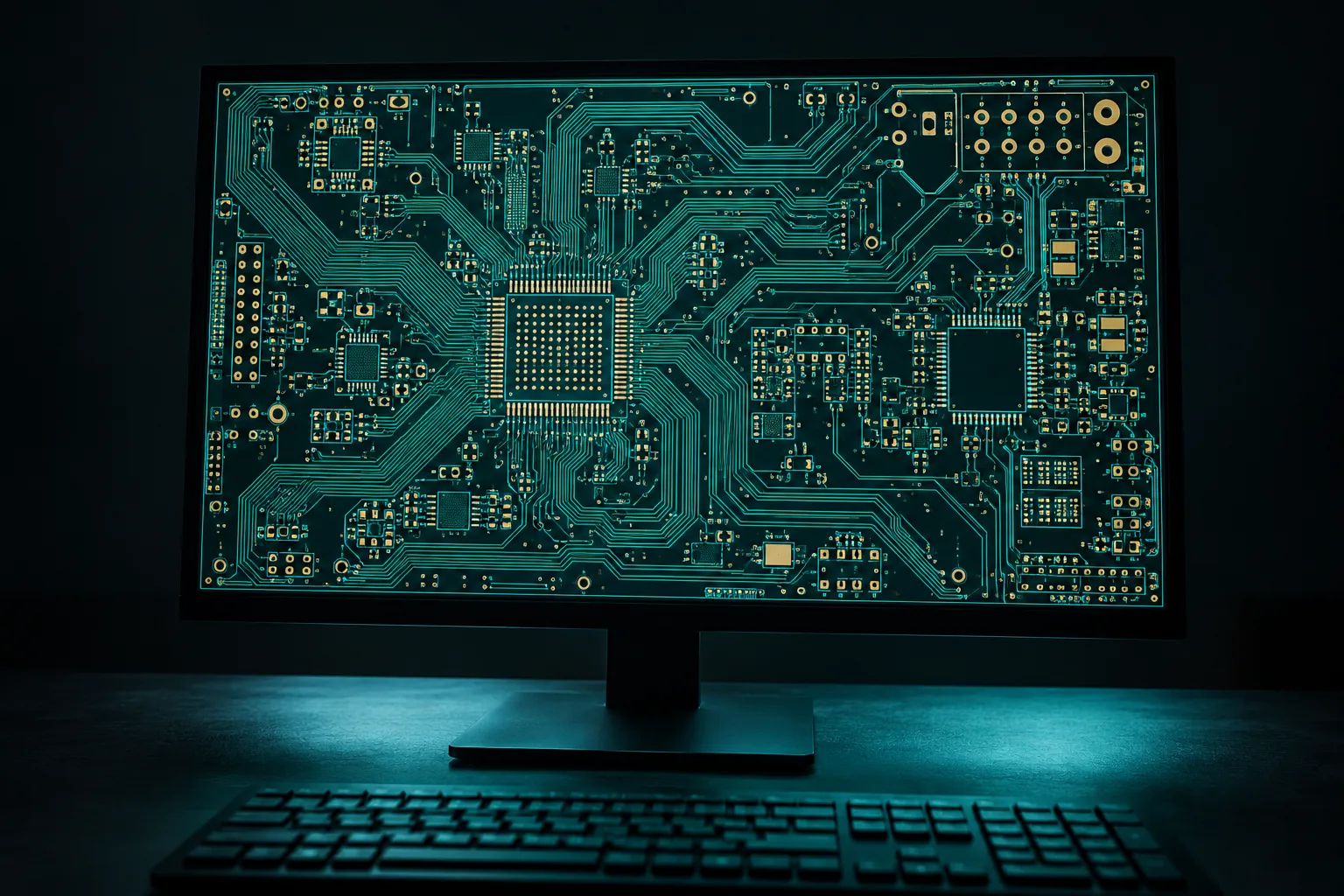
PCB design
Schematic capture, layout and signal integrity, from first sketch to production files.
Cloud applications
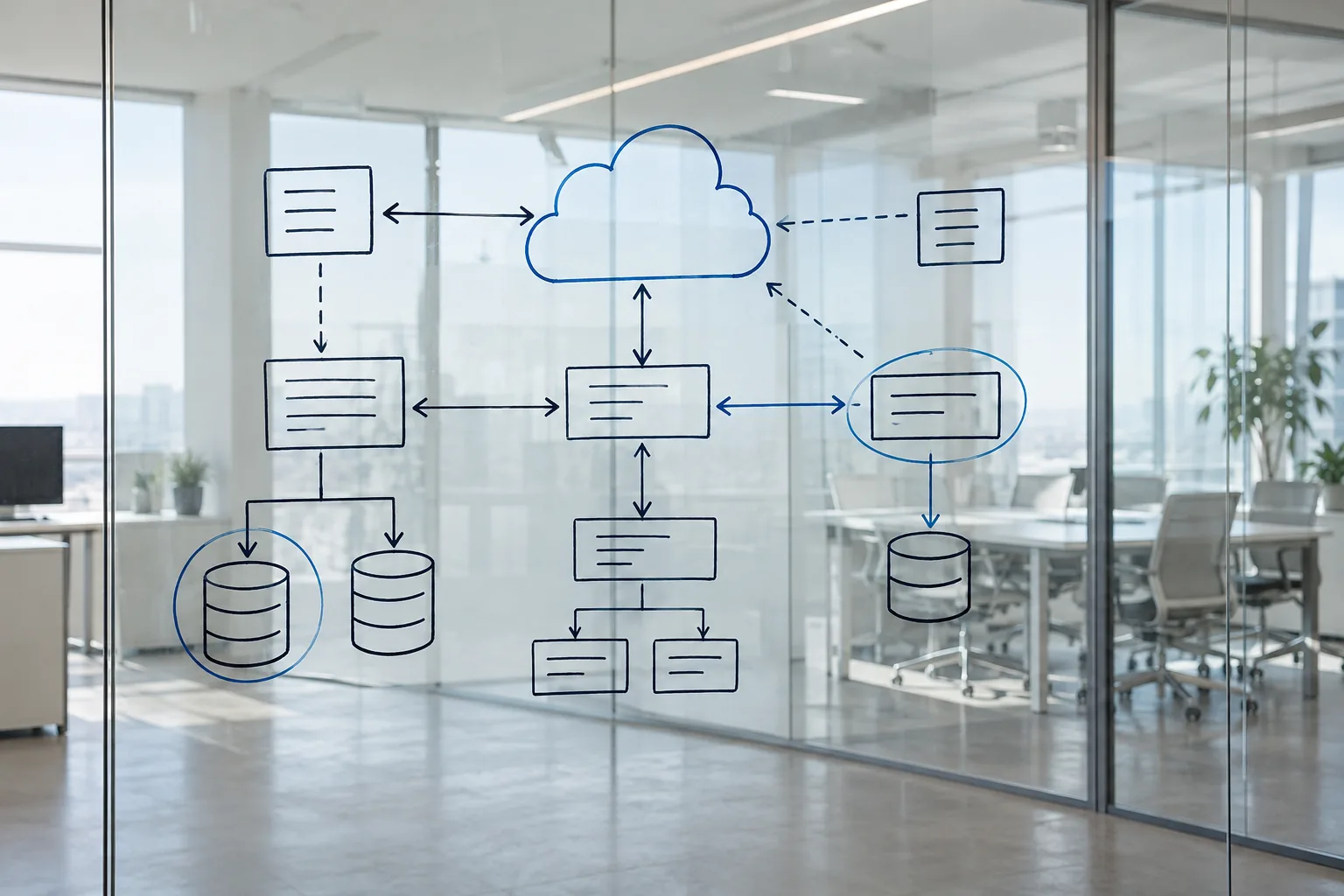
Backends, fleet data and the services that connect equipment to shore.
Open applications are always welcome.
You do not have to wait for a vacancy. If you build navigation, sensing or data systems and you want them to prove themselves at sea, apply here and tell us what you would want to work on. We read every application, and we keep strong profiles on file for when a role opens.