An independent picture of the ship you are piloting.
GuardianPPU measures its own RTK-corrected position, GNSS heading and rate of turn and feeds them to a repeater display on the bridge, with the AIS traffic around the ship alongside them. Nothing on it depends on the vessel's own sensors.

Its own receivers, independent of the ship.
Its own position and heading
Position and heading come from the unit's own receiver rather than from the vessel's equipment, so the pilot works from a picture that does not change from ship to ship.
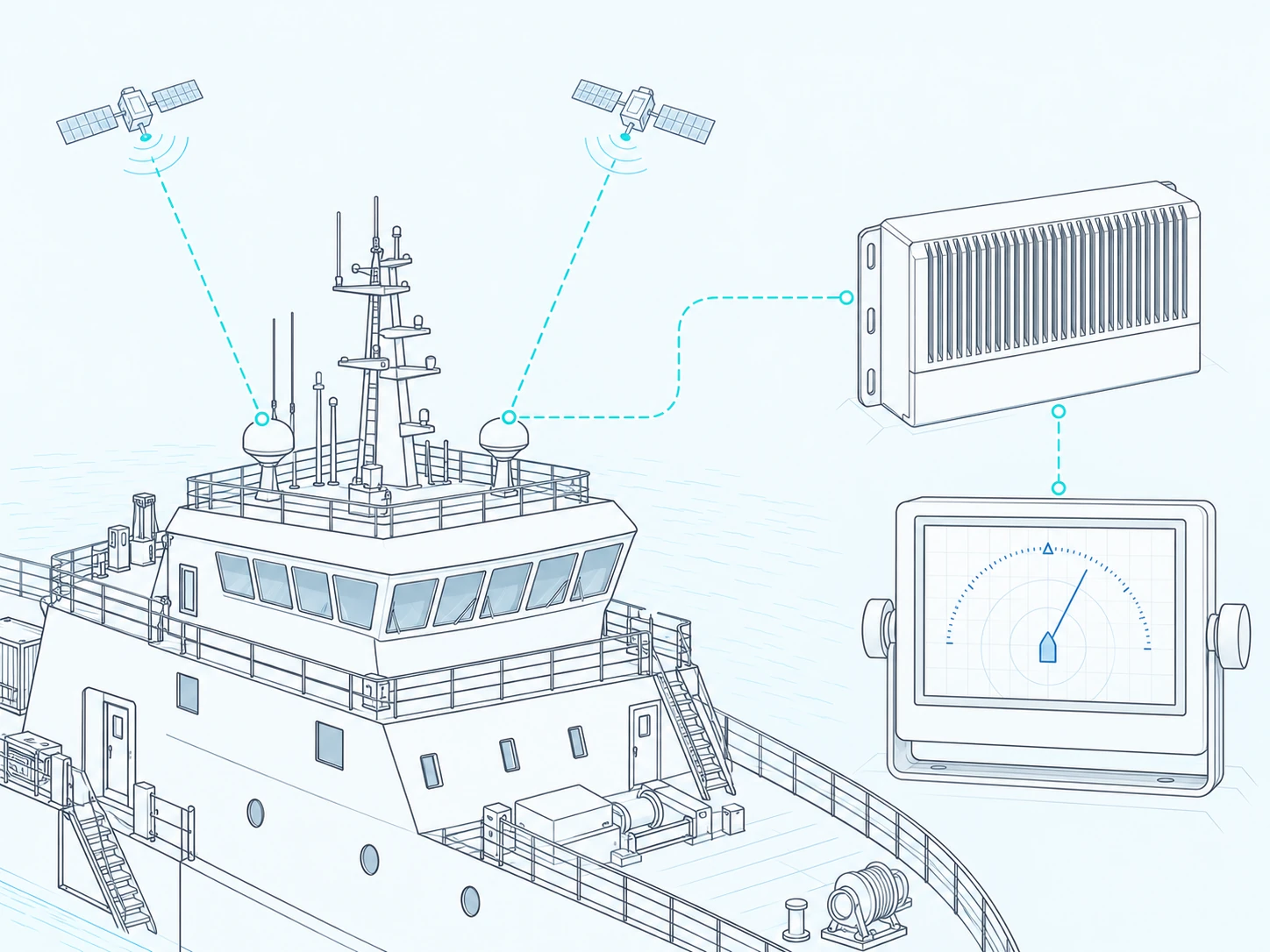
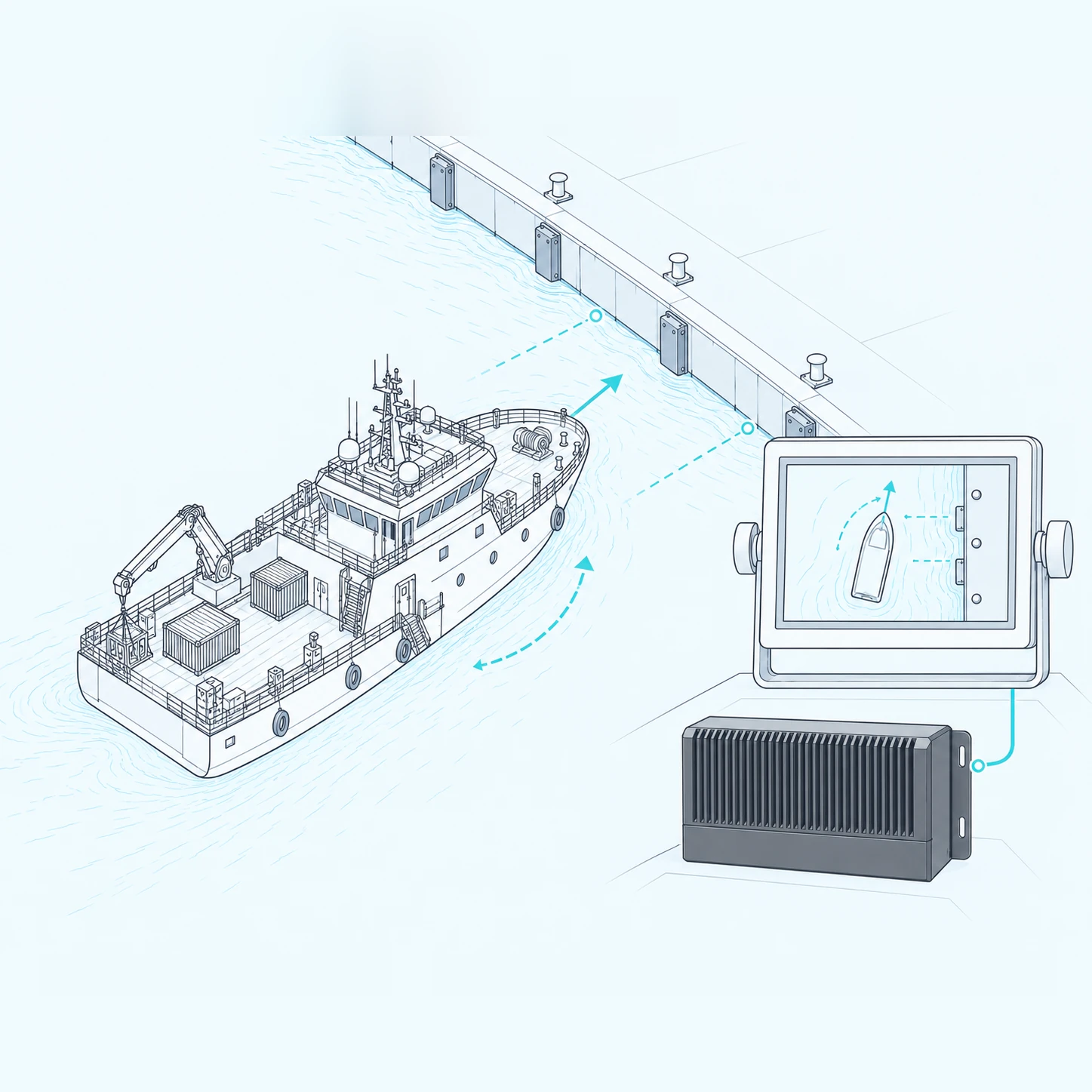
Through the approach and alongside
Position, heading and rate of turn are read together while the vessel is brought in, so the swing is seen while there is still time to use it.
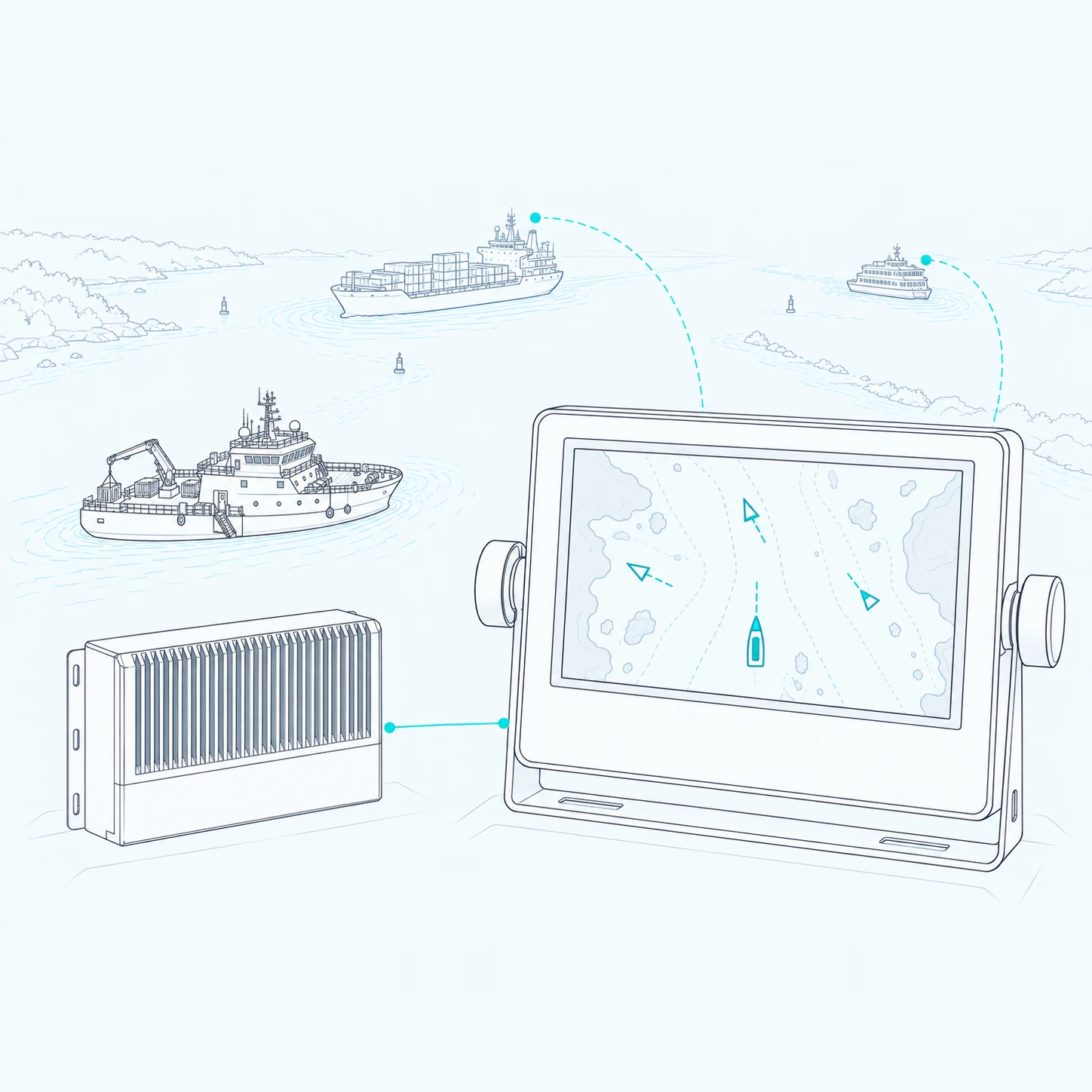
The traffic, on the same screen
The AIS targets around the vessel are shown with own position, so a channel transit and a port approach are judged on one picture.
Key Benefits
RTK-corrected position from the unit's own GNSS receiver.
Heading and rate of turn without the ship's gyro.
AIS traffic picture alongside the ship's own motion.
Ready for the pilot the moment they step aboard.
The picture the pilot works from
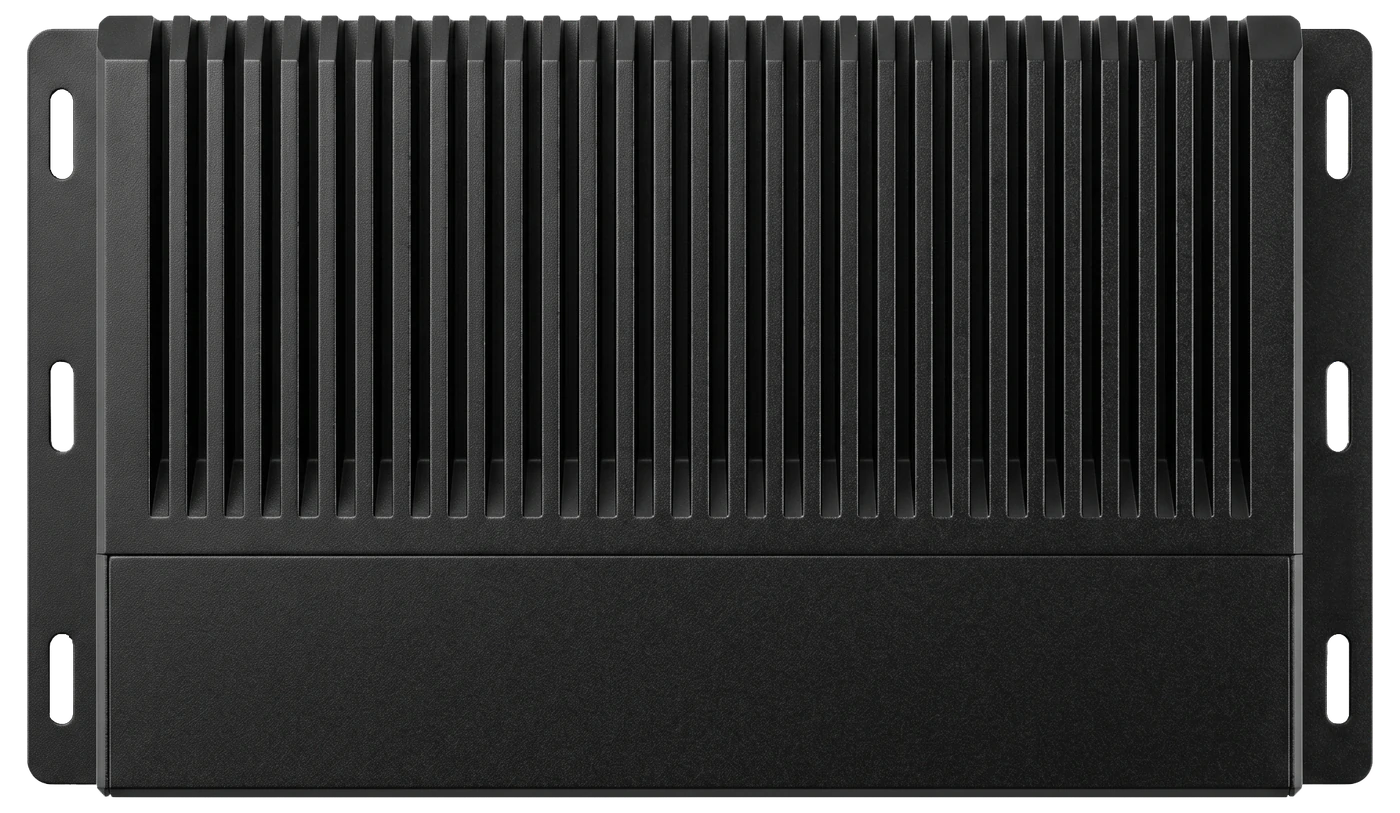
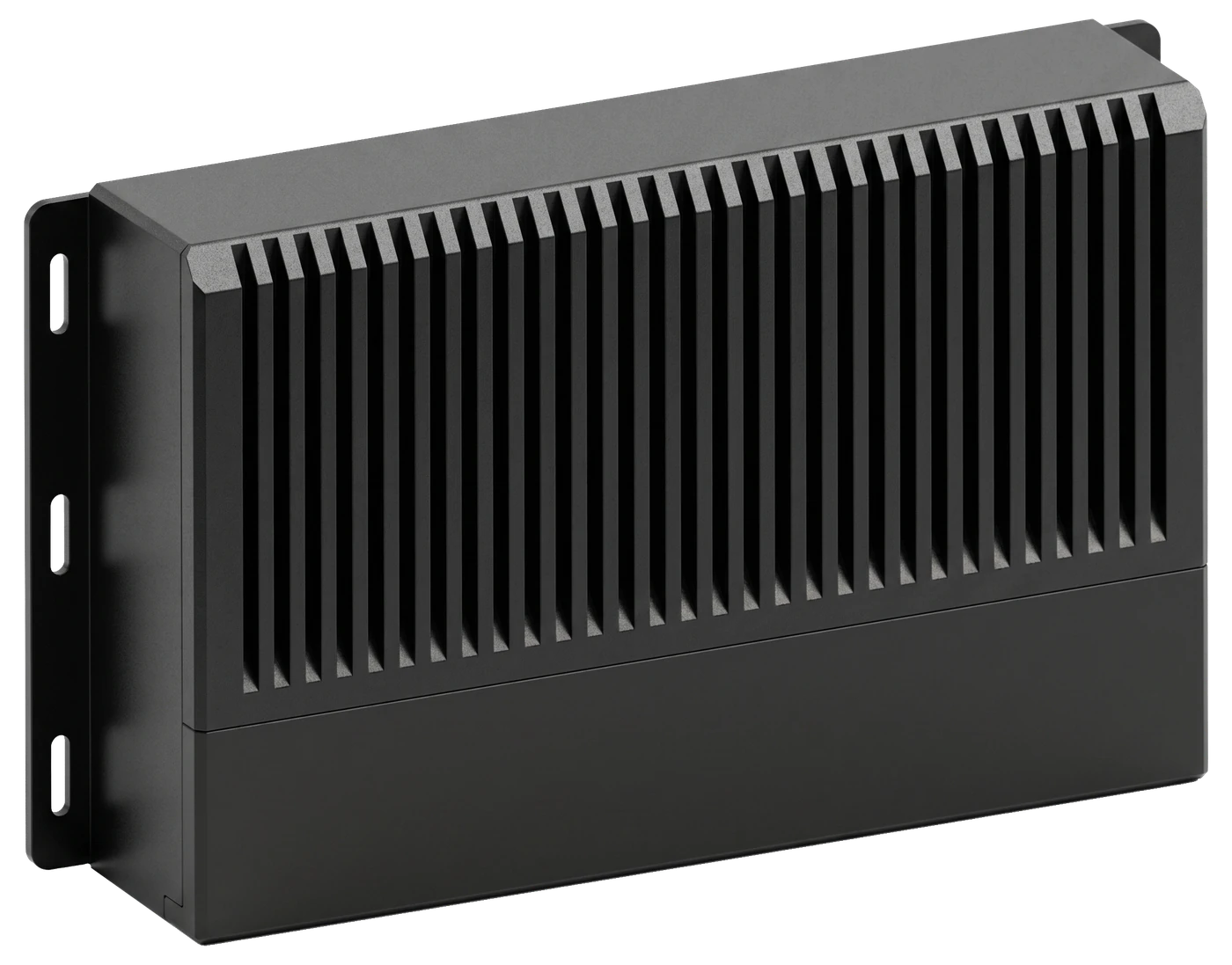
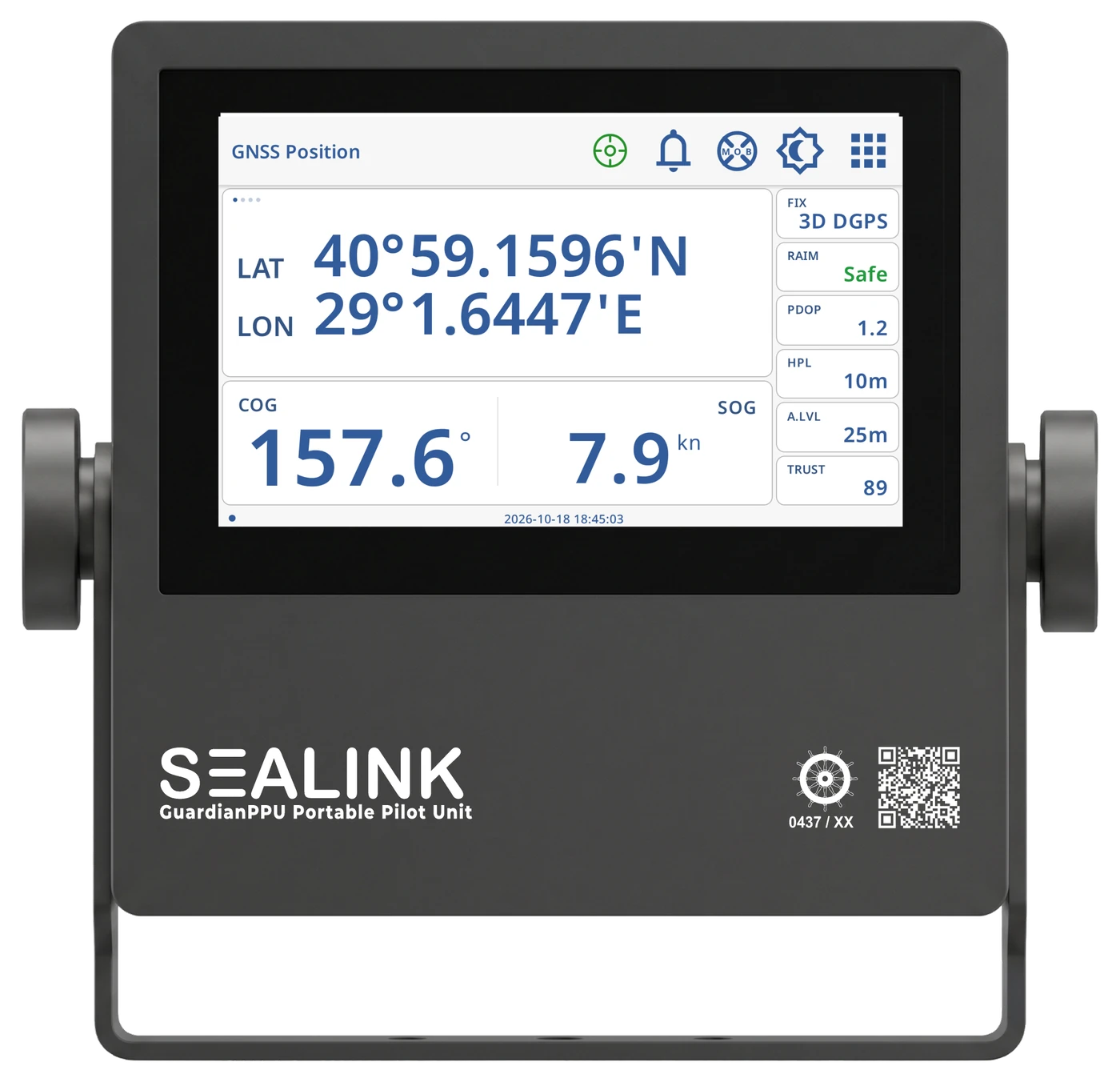
Position, heading and traffic, independently measured.
GuardianPPU works on its own receivers: RTK-corrected GNSS position, heading and rate of turn from its own antennas, and the AIS traffic picture around the ship. Everything is read from the repeater display through the manoeuvre.
System Specifications
Display | 5” capacitive touch display with AG/AF coating
Power | 12-24 V DC, dual DC power inputs with automatic redundancy and power failure alarm
Environment | -20 °C to +70 °C, compass safe distance 1.30 m standard / 0.85 m steering
Interfaces & Integration
Power | 12-24 V DC, dual DC power inputs with automatic redundancy and power failure alarm
Sensor port | Full duplex RS-422 port with 24V DC current monitoring
High-speed NMEA | 4 × configurable NMEA 0183 ports, input or output
BAM interface | Full-duplex NMEA port for the Bridge Alert Management network
Dry-Contact | One dry-contact ss-relay interface
USB | USB-C, for backup and software updates
GuardianPPU System Includes
1 × GuardianPPU Unit
GuardianPPU receiver unit with a NetBlink repeater display
1 × NetBlink Repeater Display
DBRT, deck or flush mount
1 × Power Cable
12-24 V DC, fused
Model options
CAN / NMEA 2000, redundant DC supply and PoE connectivity, as ordered
Also supplied
Quick-start card, digital-manual QR card and the installation manual
Talk to us about GuardianPPU
Pilotage, berthing and canal transits.