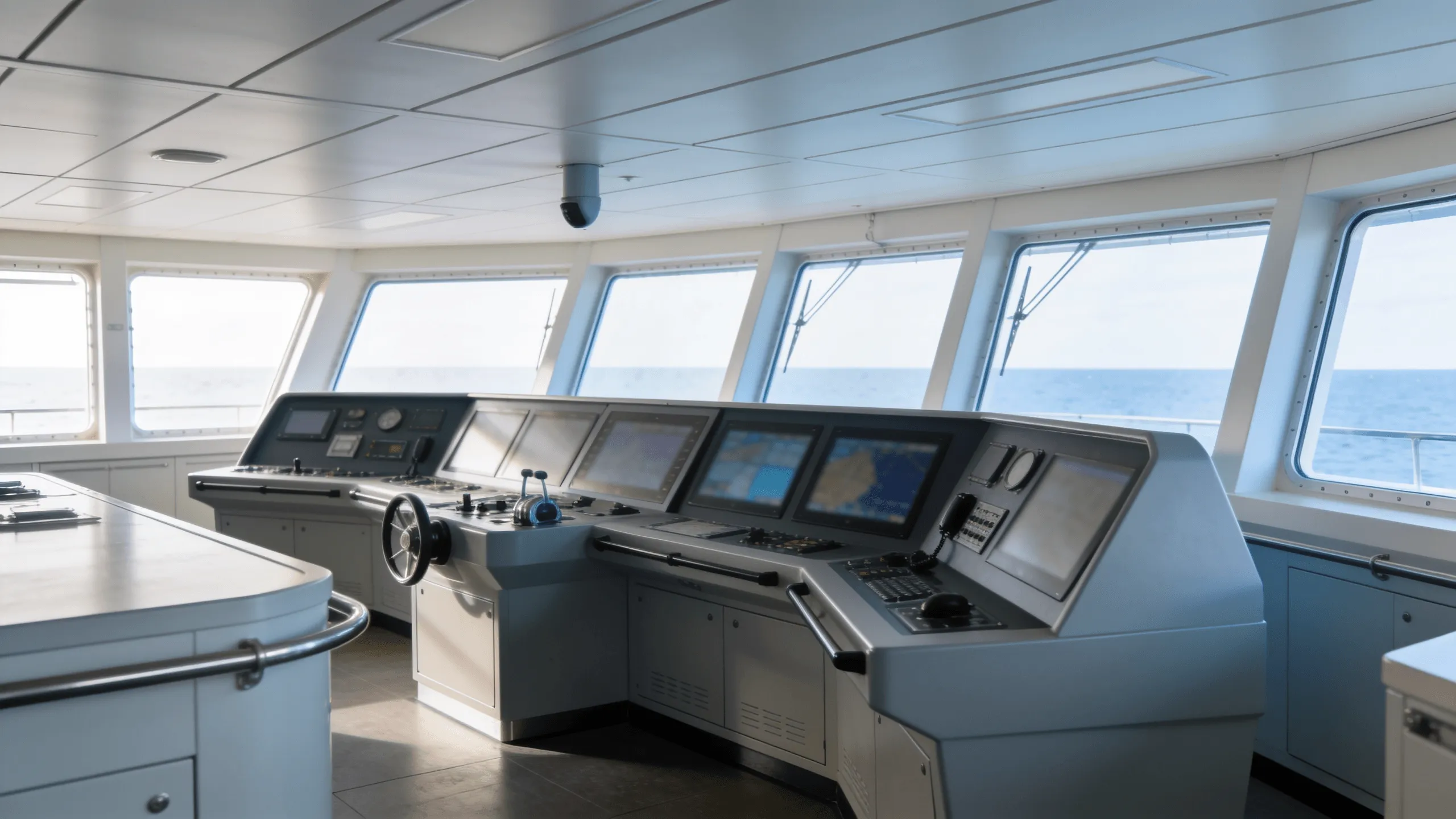
Your vessel data. A clearer view of performance.
Bring vessel data together and use AI-assisted analysis to support condition monitoring, operational review and better-informed maintenance decisions.
One vessel data record. Six ways to use it.
SeaVault brings connected vessel data into a common history and applies AI-assisted analysis to it, so the same record answers questions across the operation.
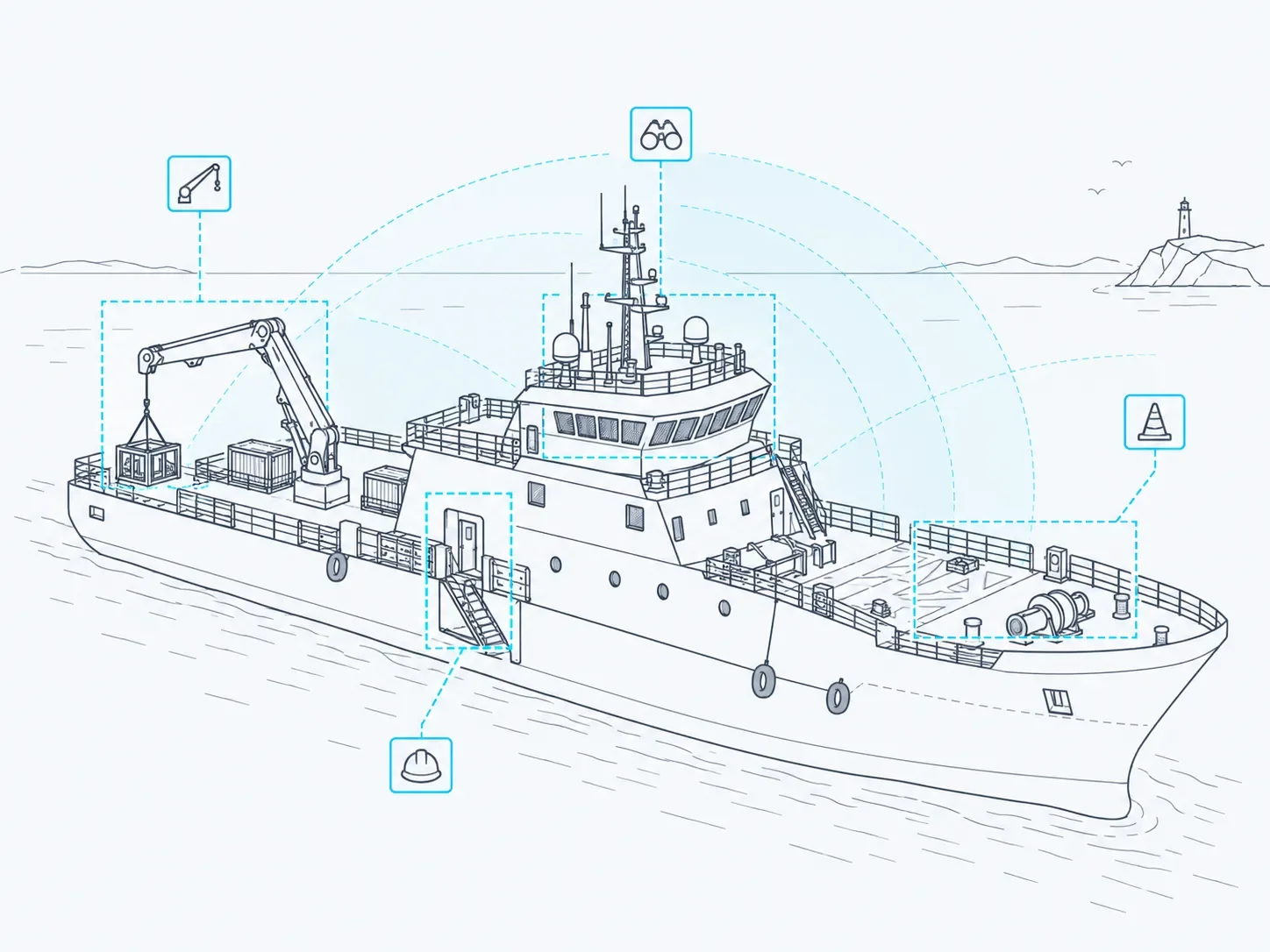
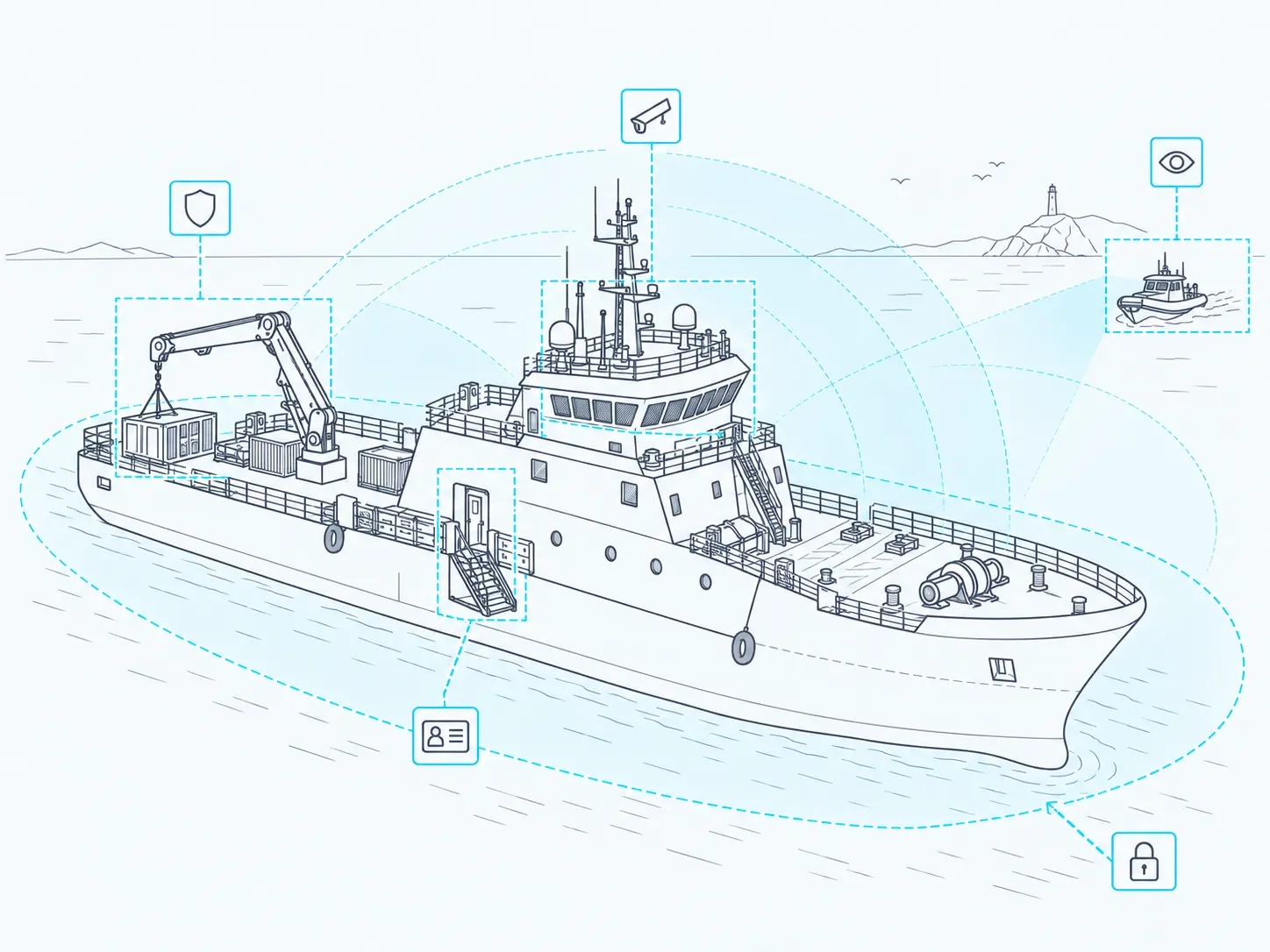
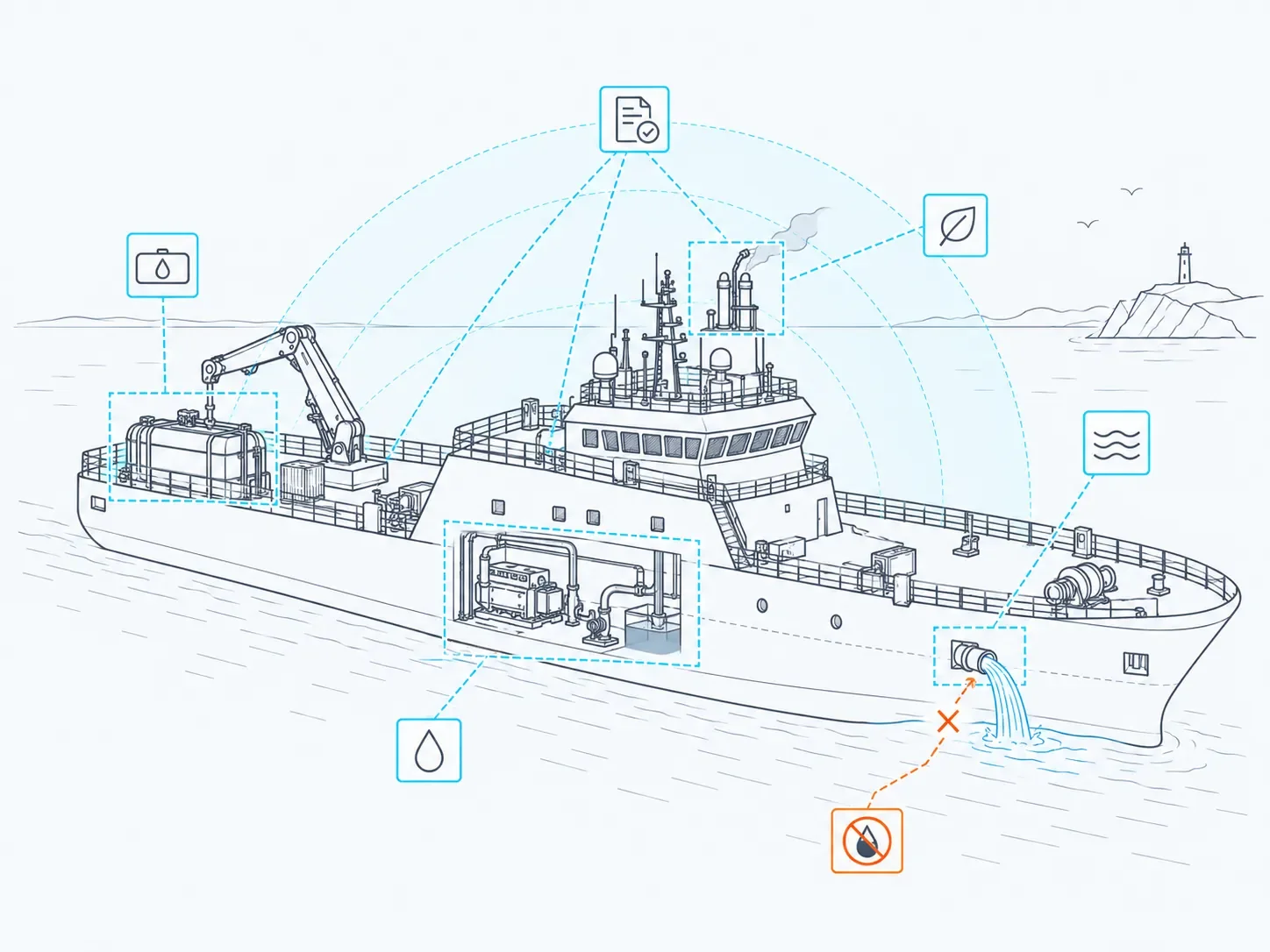
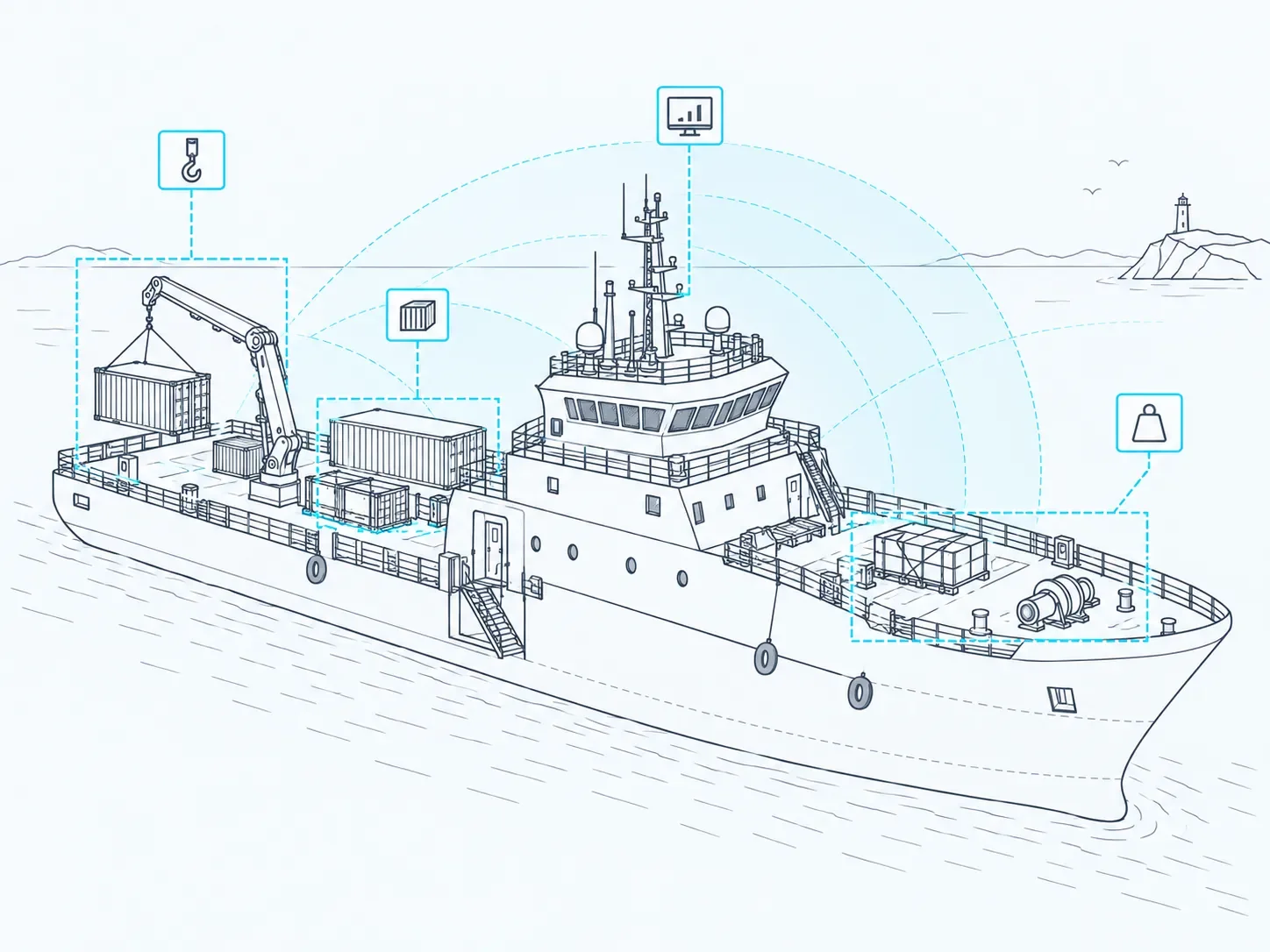
The conditions around an incident, kept.
Alarms, machinery states and bridge data from the minutes before and after an event stay together in one record. An investigation starts from what the ship logged, not from what the watch remembers. When the same questions come back months later — from a charterer, an insurer or an internal review — the record is still there to be opened, in the state the ship left it.
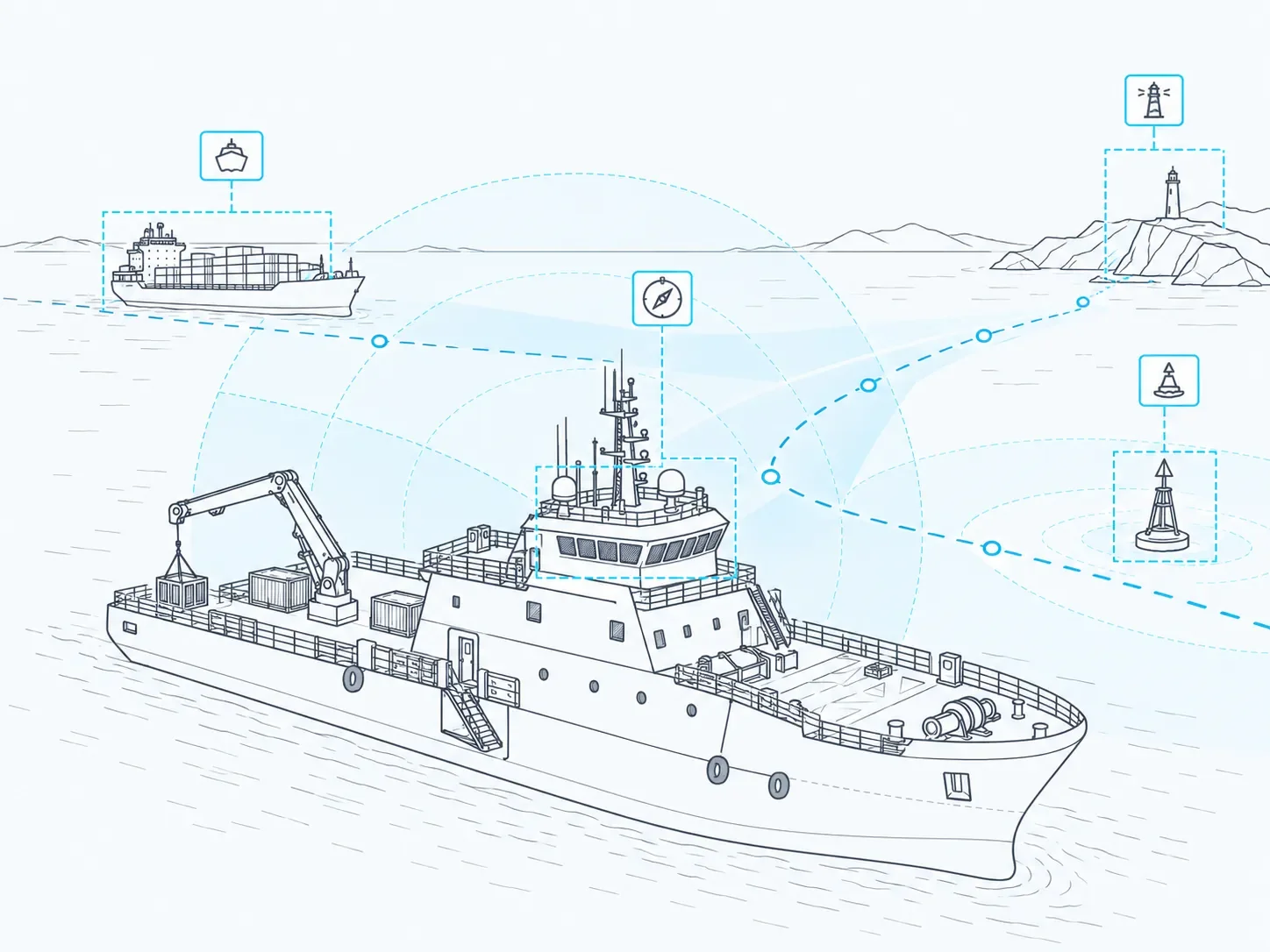
Replay the passage as it happened.
Heading, speed, rudder and position from connected bridge systems stay time-aligned. A manoeuvre, a close-quarters situation or a track deviation can be followed step by step afterwards. The same replay also serves training and handover: an officer can be walked through a real passage instead of a description of one.
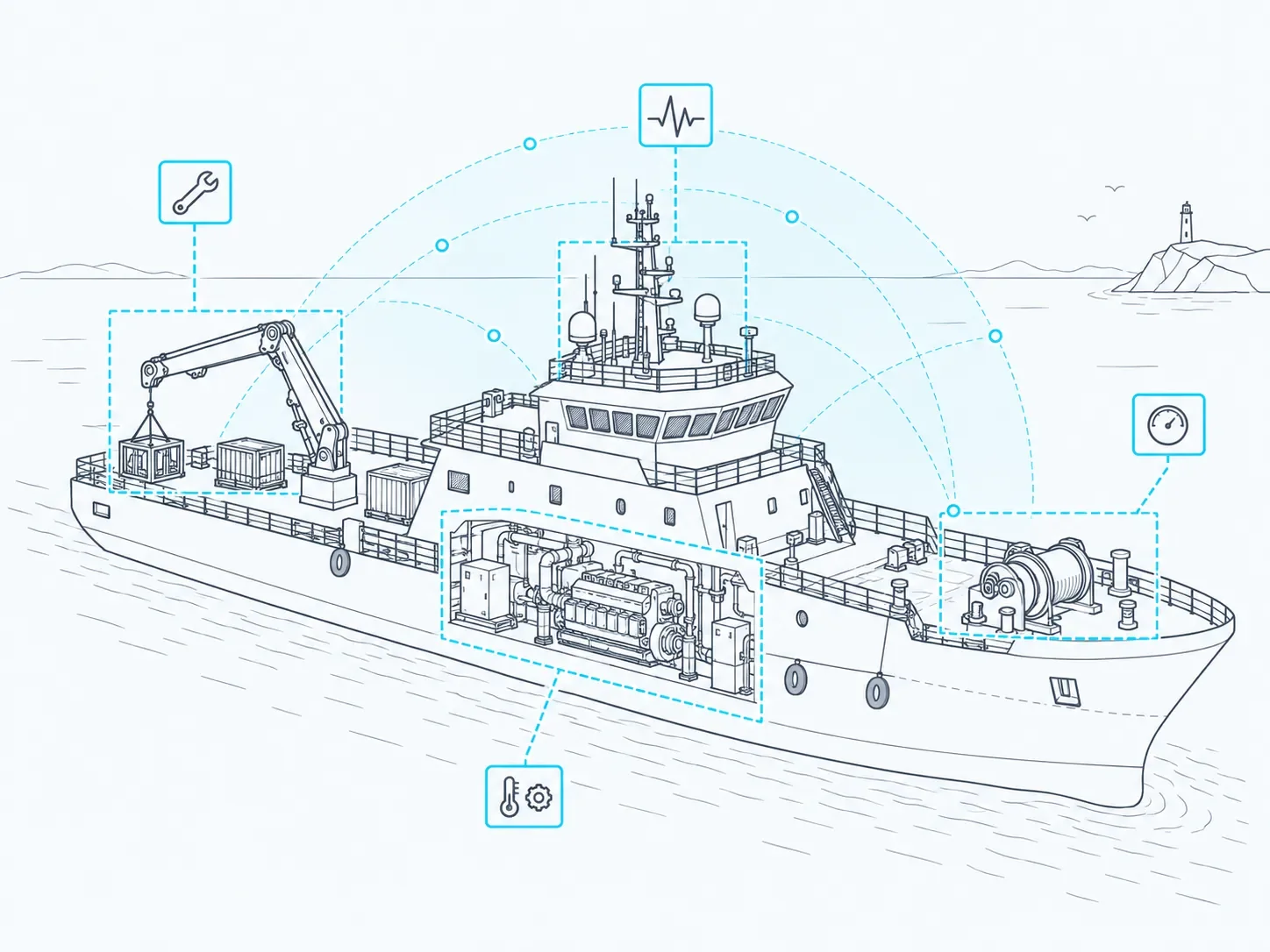
See the drift before the failure.
Running hours, temperatures and pressures from connected equipment build a trend for each machine. AI-assisted analysis points at what is moving away from its own normal, early enough to plan the work. Because the trend belongs to that machine, the comparison is against how this engine has actually behaved on this vessel — not against a catalogue figure.
An account of onboard activity nobody edited.
System states, access events and configuration changes are recorded with the vessel's operational context. When something is questioned later, there is one version of it. The history is kept for the whole period rather than the last few days, so a change can be placed in time instead of argued about afterwards.
Evidence instead of reconstruction.
Where environmental systems are connected, their readings are preserved alongside position and time. Internal review, reporting and inspection draw on the same record. Nothing has to be reassembled from paper logs at short notice — the readings and the position they belong to were stored together from the start.
Cargo and vessel on one timeline.
Connected cargo systems are recorded next to ship data. Loading operations, delays and claims can be related to what the equipment was doing at the time. Where a discrepancy is disputed, the cargo system's own record and the ship's movement are read side by side rather than chased separately.
Product Overview
SeaVault brings vessel data recording and AI-assisted analysis into a common platform for understanding onboard operations. It collects information from connected systems and preserves operational history, giving technical teams a stronger basis for reviewing equipment behaviour and investigating changes in performance.
Its predictive-maintenance capabilities are designed to help identify patterns and deviations that may deserve attention. By relating those observations to the vessel's operating context, SeaVault supports earlier investigation and more informed maintenance planning.
The value of the system grows with the quality and coverage of the connected data. The selected sensor inputs, available history and configured analysis functions determine what can be monitored. This makes SeaVault a practical platform for operators who want to develop maintenance decisions around evidence from their own vessels.
Key Benefits
Vessel data collection and operational recording.
AI-assisted analysis to support equipment condition assessment.
Historical information for performance and event review.
A foundation for maintenance planning based on connected vessel data.
One vessel data record
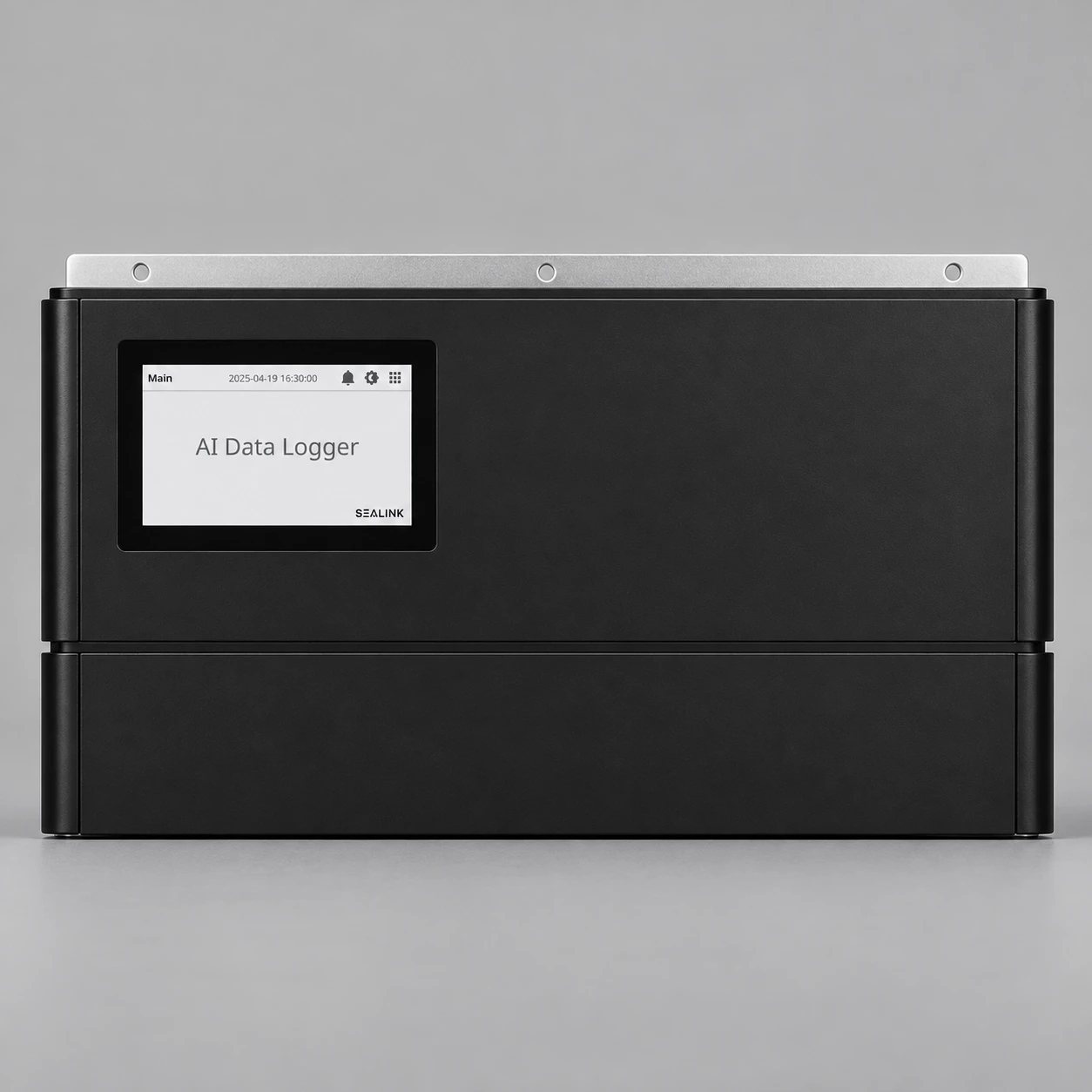
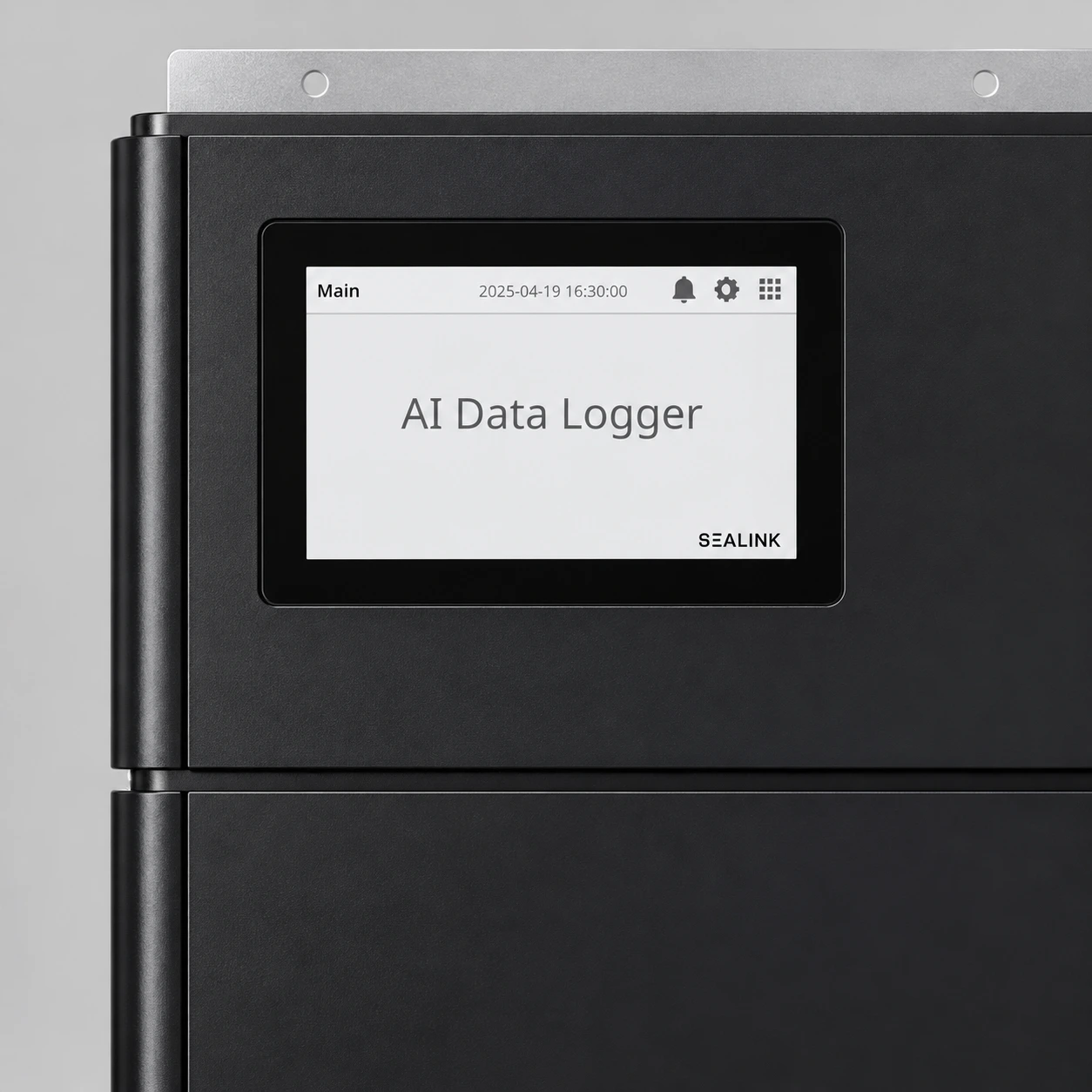
Connect vessel data. Understand operations.
SeaVault brings selected vessel data together into a common operational record. AI-assisted analysis supports incident review, equipment condition assessment and maintenance planning, while recorded information helps technical teams trace events, understand performance patterns and make better-informed decisions.
System Specifications
Function | Vessel data collection and operational recording
Analysis | AI-assisted analysis to support equipment condition assessment
History | Historical information for performance and event review
Maintenance | Patterns and deviations related to the vessel's operating context, supporting earlier investigation and maintenance planning
Monitoring scope | Set by the selected sensor inputs, available history and configured analysis functions
Applications
Safety | Review of operating conditions around incidents and recurring events
Bridge | Reconstruction of navigational events with data from connected bridge systems
Technical | Condition assessment and maintenance planning from connected equipment data
Security | An objective history of onboard activity and system states
MARPOL | Recorded data from connected environmental systems for investigation, documentation and compliance review
Cargo | Cargo-system data recorded alongside vessel systems
For | Shipowners, fleet technical teams, vessel operators and equipment maintenance teams
SeaVault System Includes
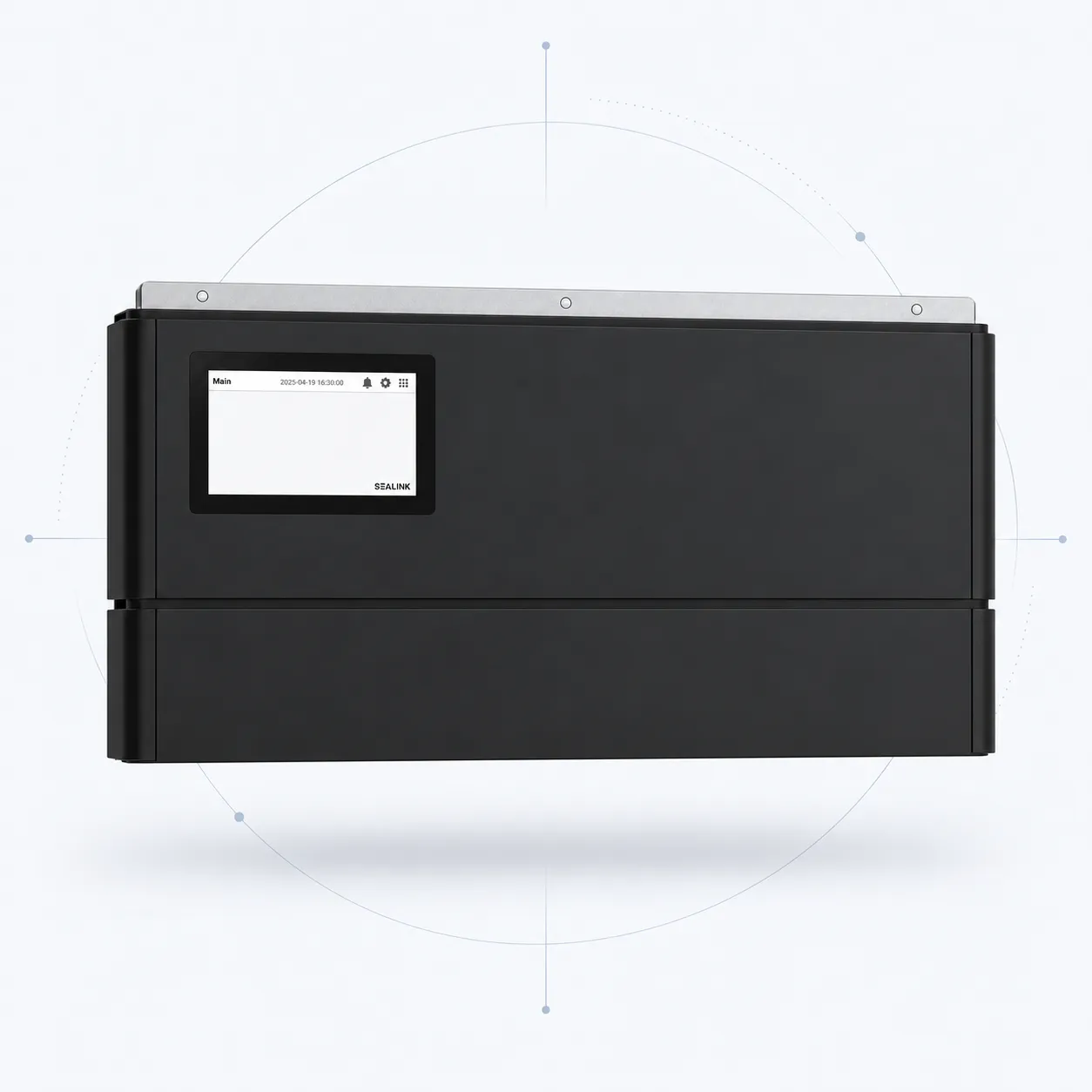
1 × Data Logger Unit
SeaVault, with integrated touchscreen
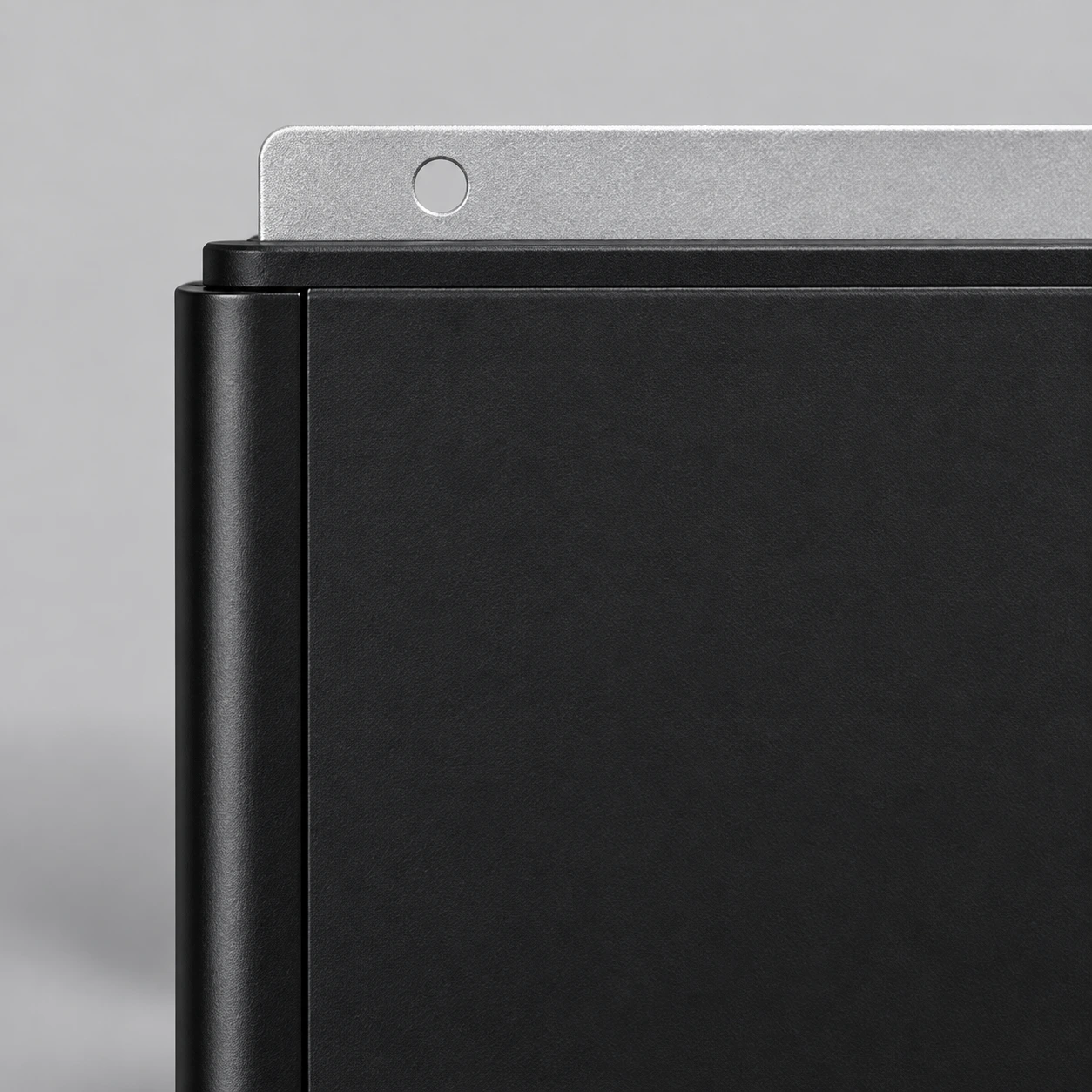
1 × Mounting Bracket Set
Bulkhead mount, stainless steel
1 × Terminal Connector Set
Pluggable screw terminals for the configured inputs
1 × Power Cable
24 V DC, fused
Configured per project
Sensor inputs, retained history and the analysis functions are defined with SEALINK before delivery
Also supplied
Quick-start card, digital-manual QR card and the installation manual
Discuss Your Vessel Data
Shipowners, fleet technical teams, vessel operators and equipment maintenance teams.