Know your heading. Understand your movement.
GuardianSCL derives heading from GNSS rather than from a spinning mass, so there is no settling time and no drift to compensate. Heading and satellite speed over ground are presented clearly, and the functions are selected to suit the installation.

Where she points, and where she is going.
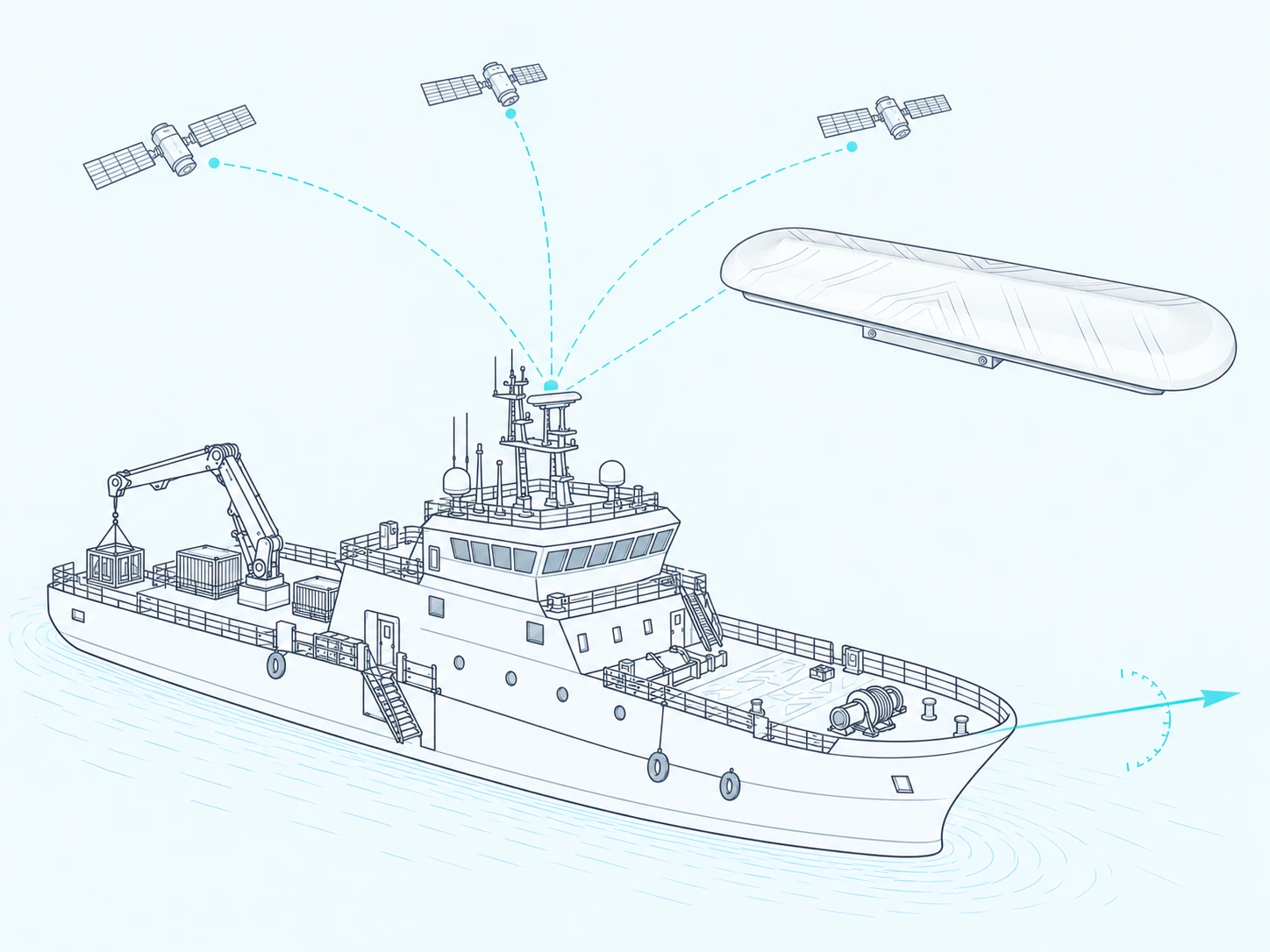
Heading from the satellites
The antenna derives heading from the satellites it tracks, so the direction the vessel is pointing comes from the same source as her position.
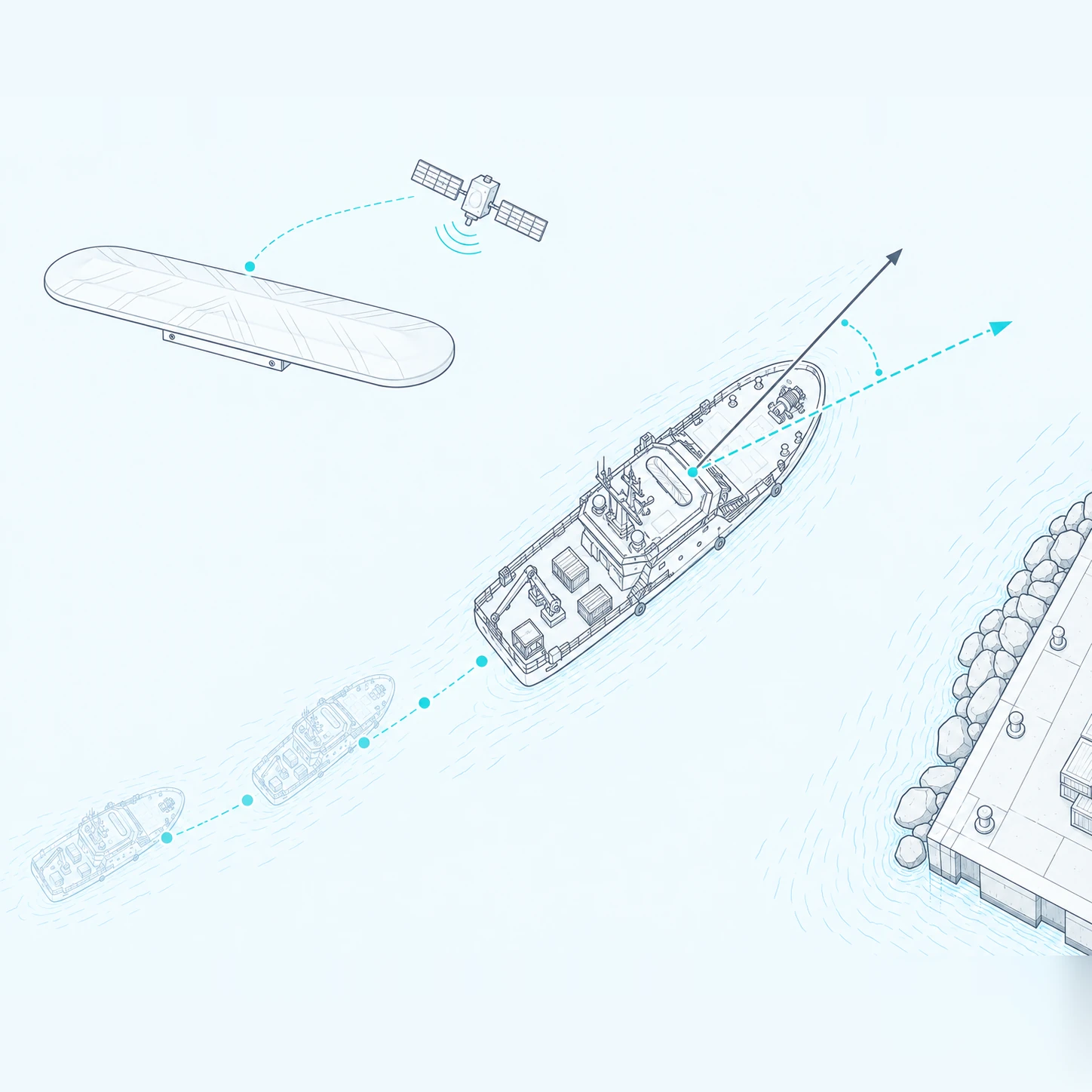
Heading is not course
The direction she points and the direction she travels are rarely the same. Both are presented, so the difference between them is visible rather than inferred.
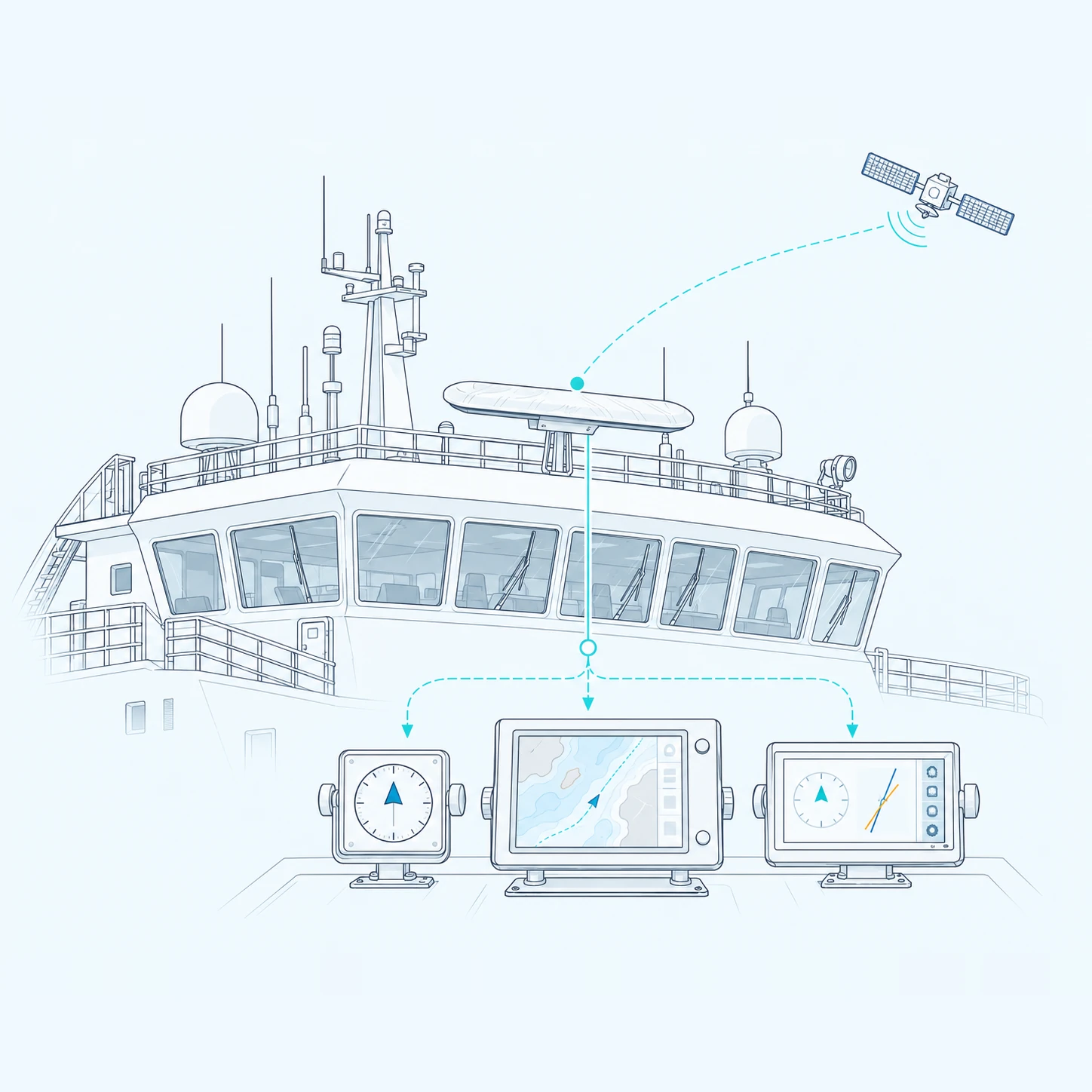
Fed to the bridge equipment
Heading and speed leave the antenna as sentences compatible bridge equipment already understands, so existing displays keep their familiar readings.
Key Benefits
GNSS-derived vessel heading
Satellite-derived speed over ground.
Clearly identified heading and movement information.
Compass and speed functions selected to suit the application.
Heading made clear
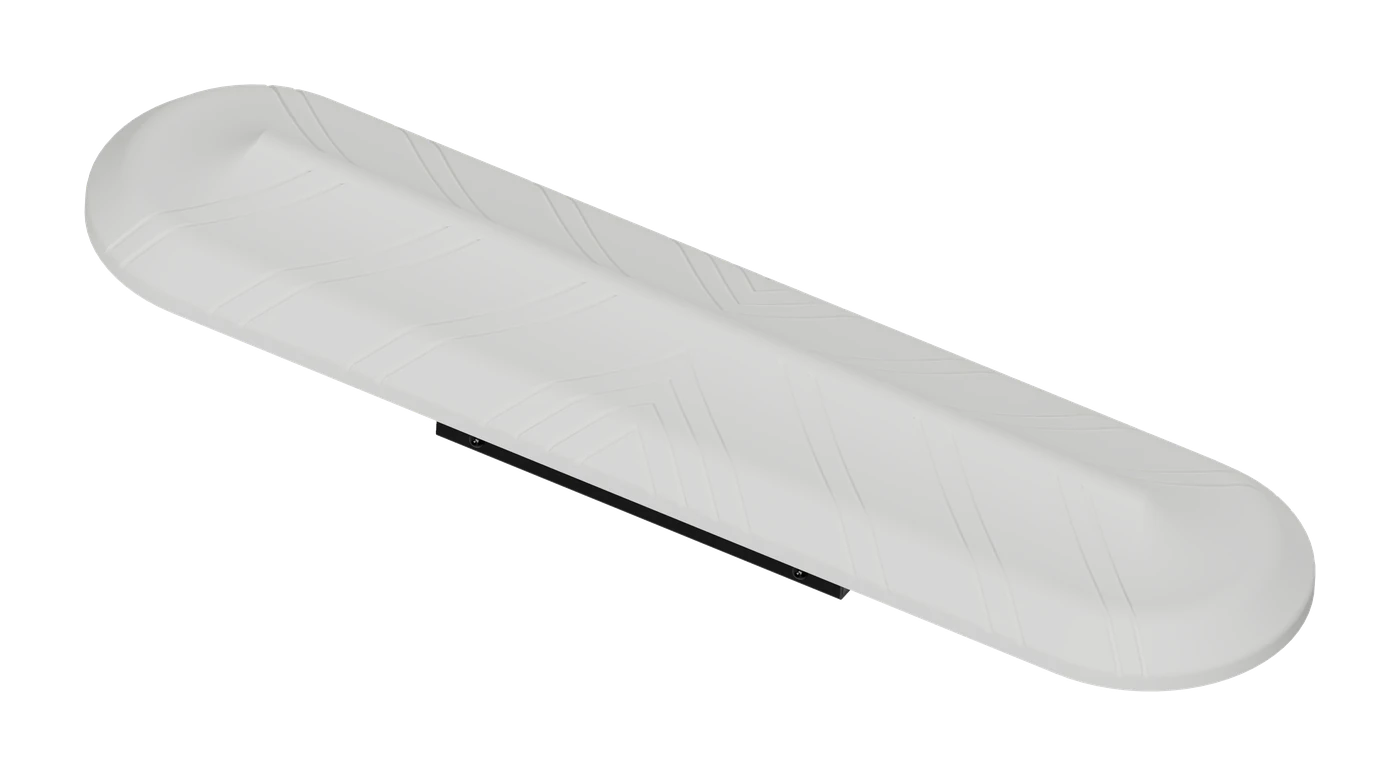
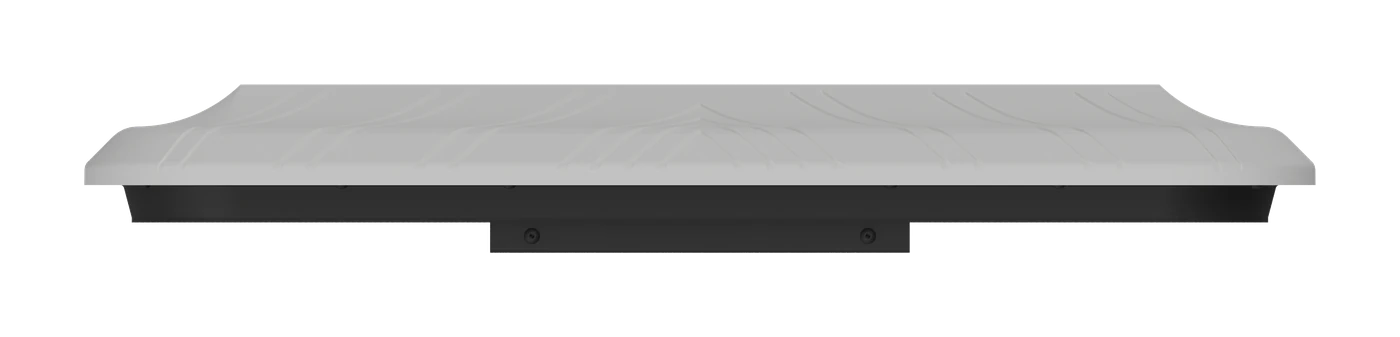
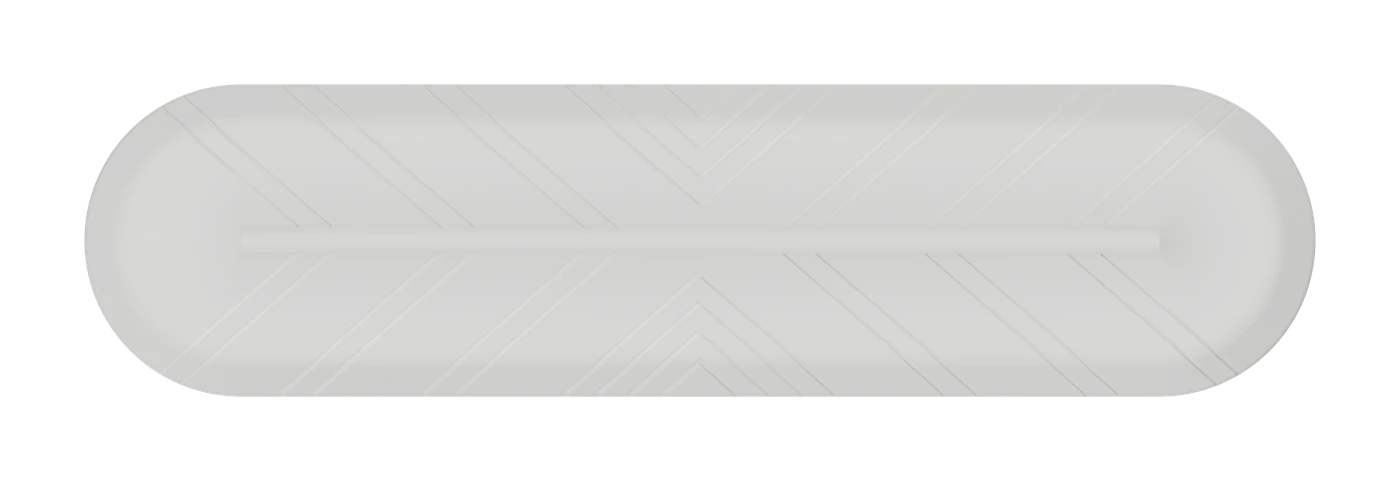
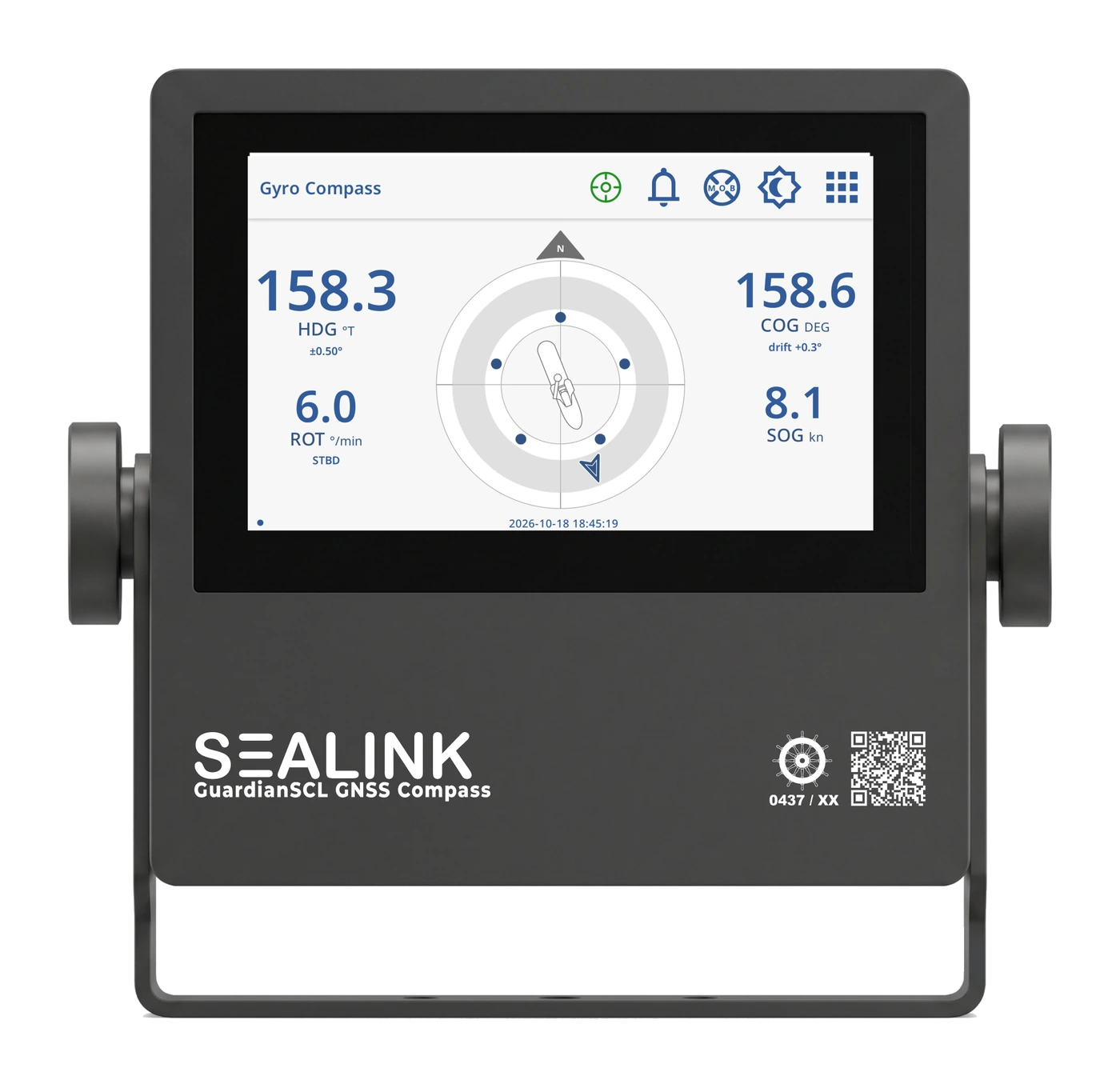
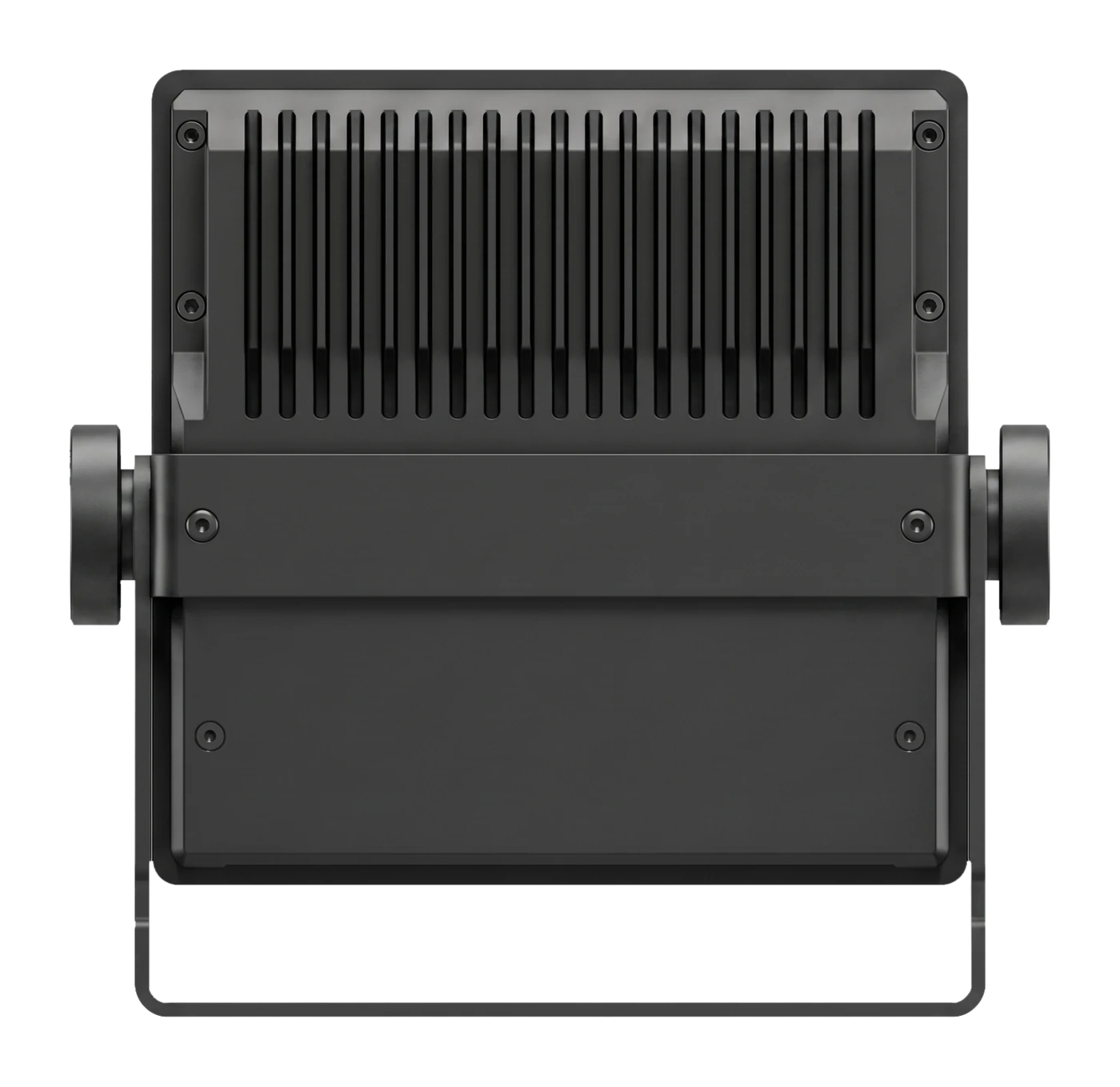
Precise heading. Clear movement information.
GuardianSCL combines GNSS-derived vessel heading and satellite speed-over-ground information to give bridge teams a clearer understanding of orientation and movement. Heading, course and speed describe different aspects of navigation. The selected GuardianSCL configuration can be matched to compatible receiving equipment and vessel integration requirements.
System Specifications
Display | 5” capacitive touch display with AG/AF coating
Antenna | GuardianSCL, dual-element, multi-band
Power | 12-24 V DC, dual DC power inputs with automatic redundancy and power failure alarm
Environment | -20 °C to +70 °C, compass safe distance 1.30 m standard / 0.85 m steering
Interfaces & Integration
Network | PoE PD / LAN
Connector | M12, RS-422 and DC power
High-speed NMEA | 4 × configurable NMEA 0183 ports, input or output
BAM interface | Full-duplex NMEA port for the Bridge Alert Management network
Dry-Contact | One dry-contact ss-relay interface
USB | USB-C, for backup and software updates
GuardianSCL System Includes
1 × GNSS Compass Antenna
GuardianSCL, dual-element, multi-band
1 × NetBlink Repeater Display
NetBlink 5100 (5-inch)
1 × Display Mounting Bracket
DBRT, deck or flush mount
1 × Antenna Mounting Kit
Deck or pole mount, stainless steel
1 × Antenna Cable
Standard length, longer runs available
Configured on delivery
Compass and speed-log functions and the output interfaces are set for the installation
Also supplied
Quick-start card, digital-manual QR card and the installation manual
Explore Heading & Speed Solutions
Bridge navigation, manoeuvring support and integration with compatible vessel systems.