Why Maritime Technology Works Best When Hardware, Software and AI Come Together
SEALINK’s product direction combines hardware, software and AI to improve safety, visibility and operational intelligence across modern vessels.

Marine technology is increasingly defined by how well physical equipment, software and data intelligence work together. A capable sensor or device is only one part of the system. The value grows when the information it produces can be interpreted, shared and used in operational decisions.
Hardware remains the foundation
Maritime systems still depend on robust physical equipment designed for demanding vessel environments. Sensors, navigation equipment, communication interfaces and data-acquisition hardware must operate reliably before any higher-level software can add value.
Software turns equipment into a system
Software provides the layer that connects devices, presents information and makes complex systems manageable for crews and technical teams. Modern browser-based interfaces, remote monitoring and configurable data routing can reduce friction between the equipment installed onboard and the people responsible for operating it.
AI adds another layer of understanding
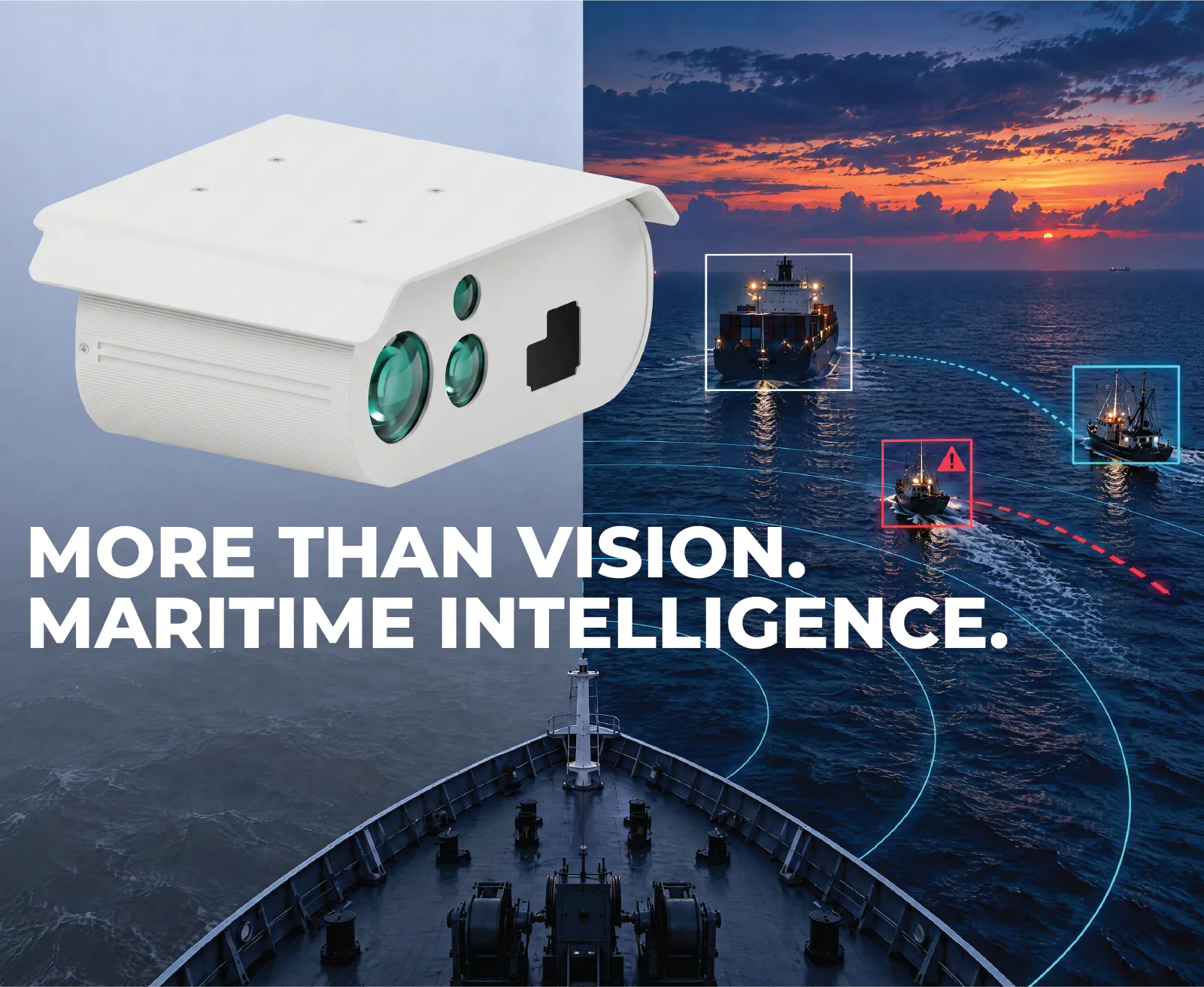
AI can help extract useful patterns from sensor, image and operational data. In maritime applications this can include assisted visual detection, equipment-condition monitoring and the analysis of recorded vessel information. The objective is not to add intelligence for its own sake, but to support clearer situational awareness and better-informed decisions.
One engineering direction
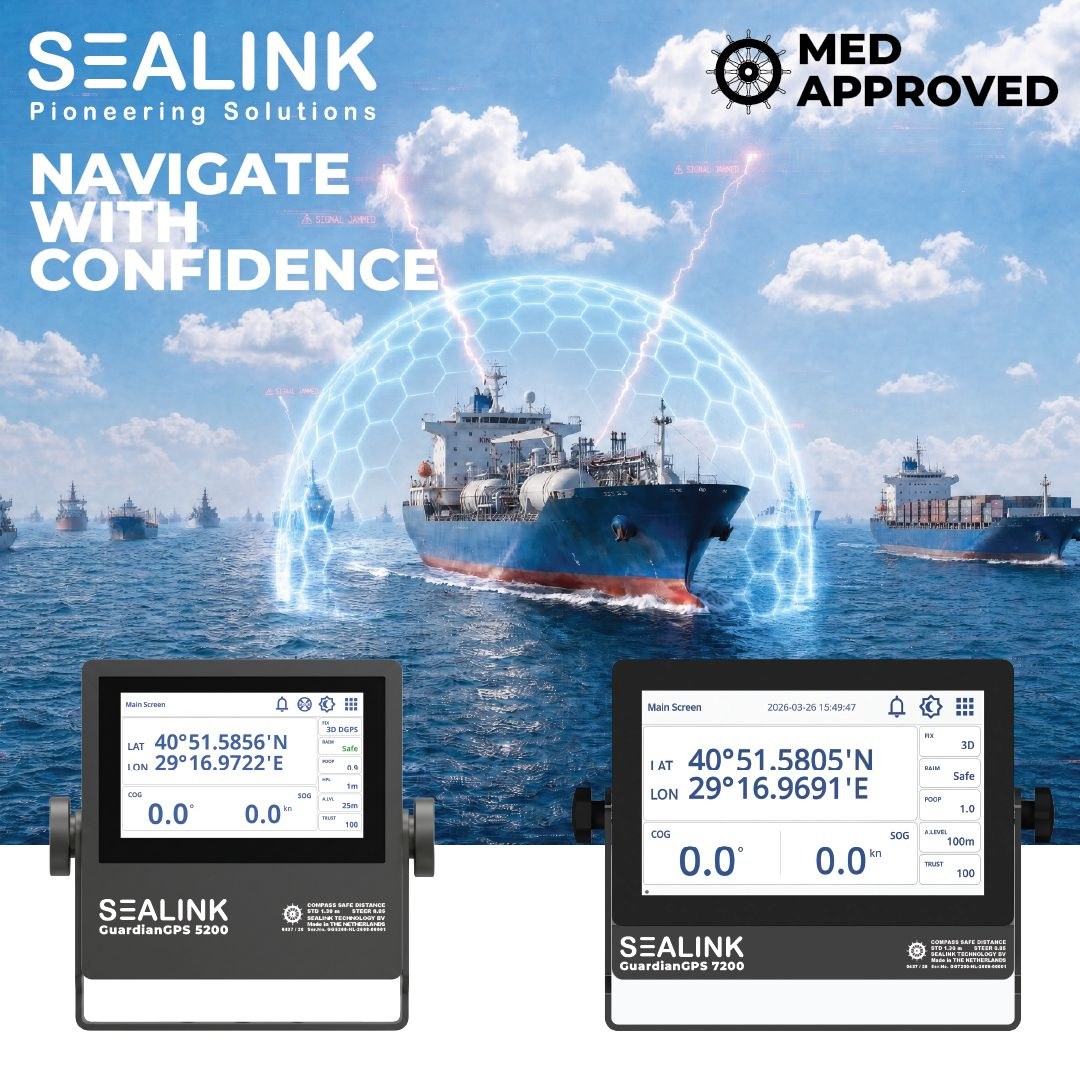
SEALINK’s portfolio reflects this combined approach, spanning AI Vision, remote vessel monitoring, resilient GNSS and AI-assisted data recording. The common principle is to treat hardware, software and intelligence as parts of one operational system rather than separate technology layers.
For modern vessels, the strongest technology is increasingly the technology that connects these layers cleanly, presents the right information at the right time and remains practical to integrate and operate at sea.